
Alma Allen: Call Me the Breeze
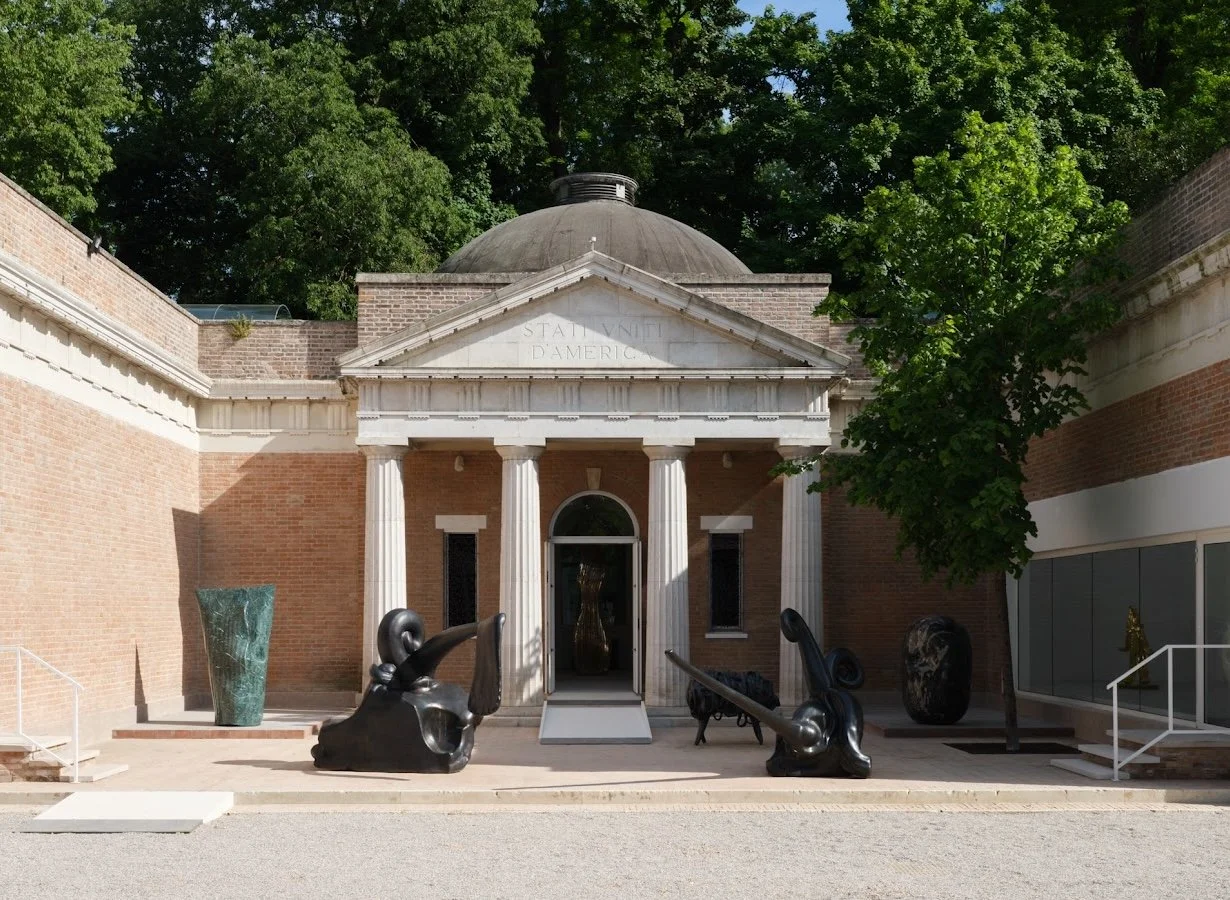
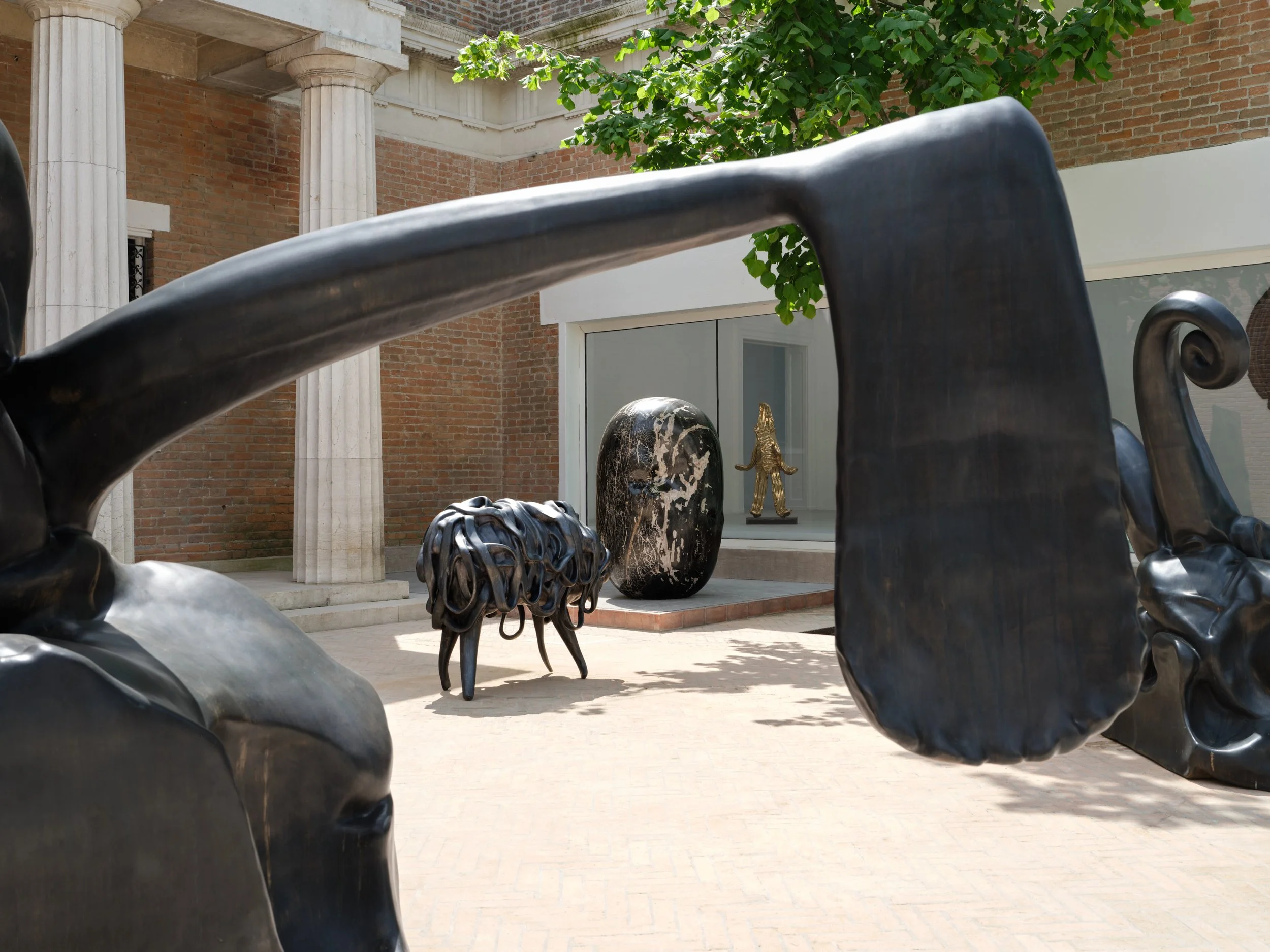
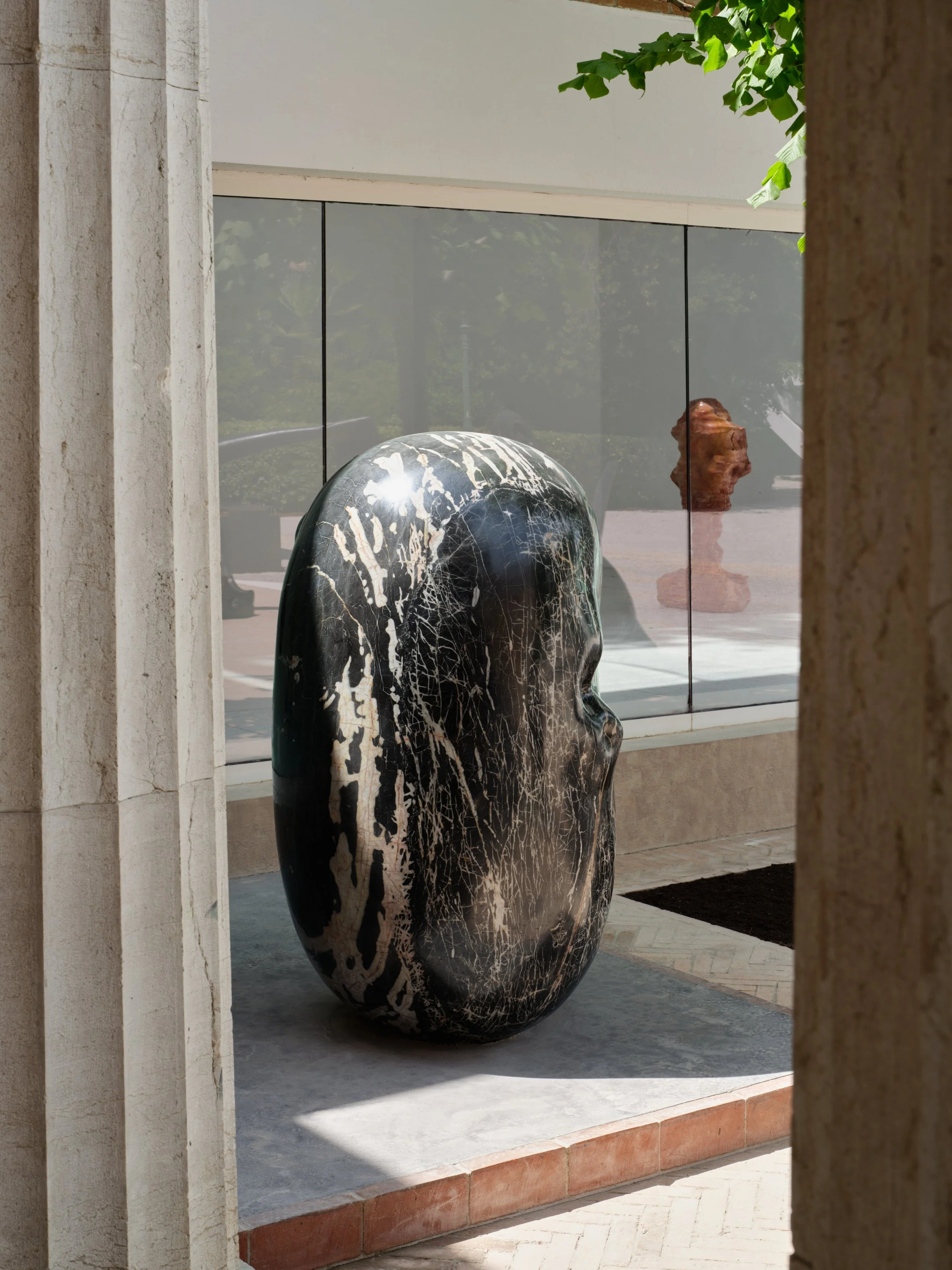
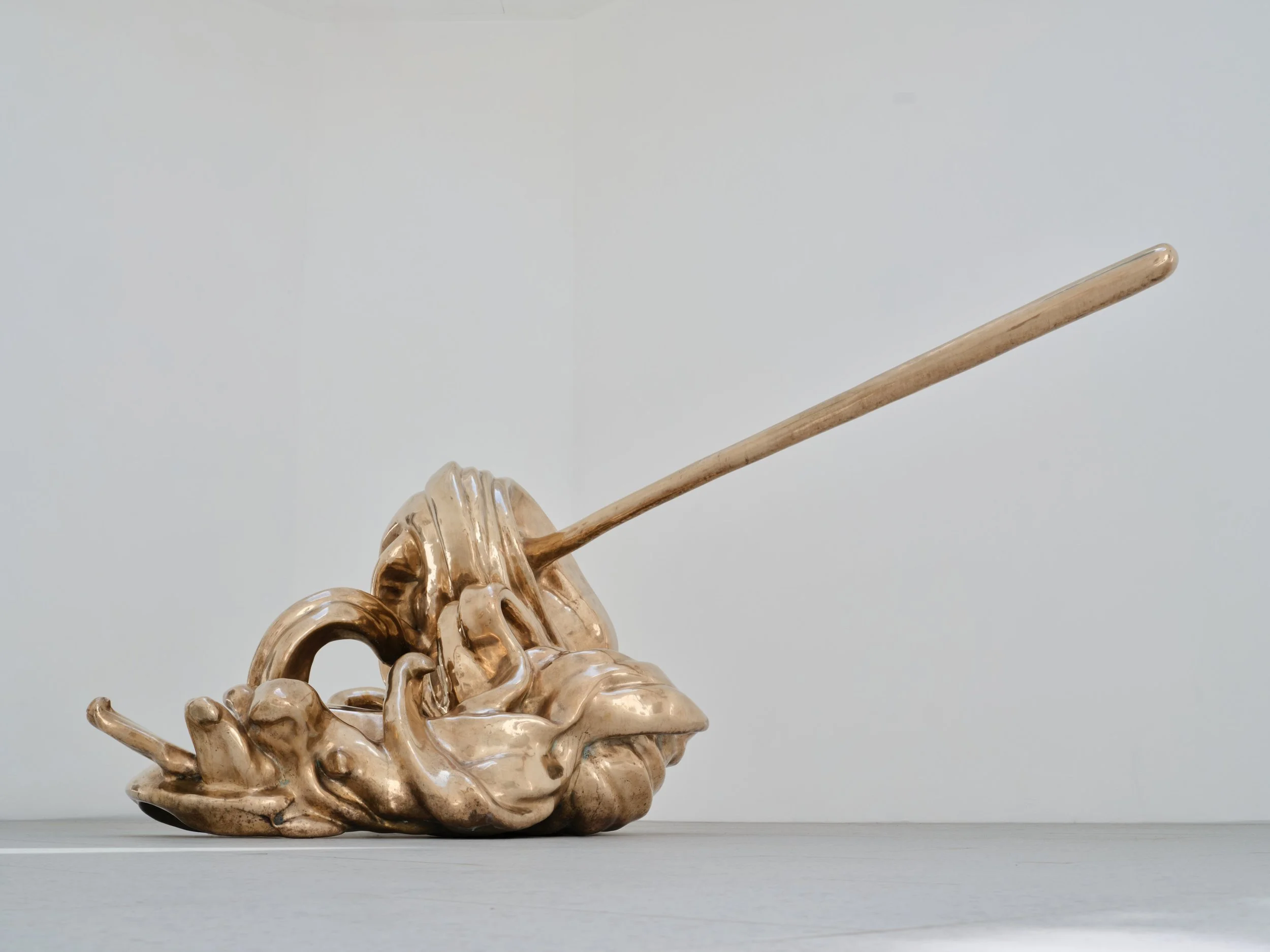
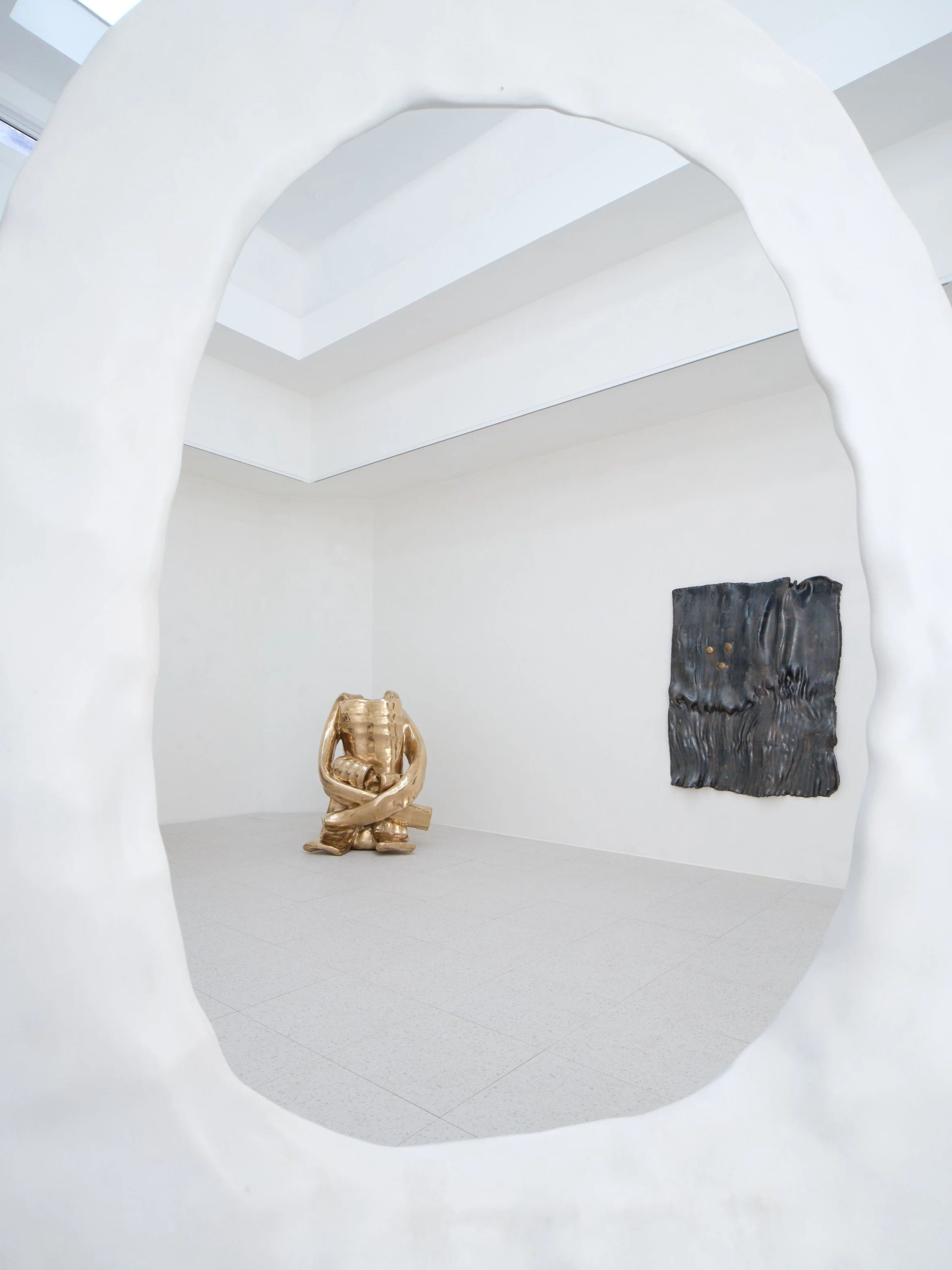
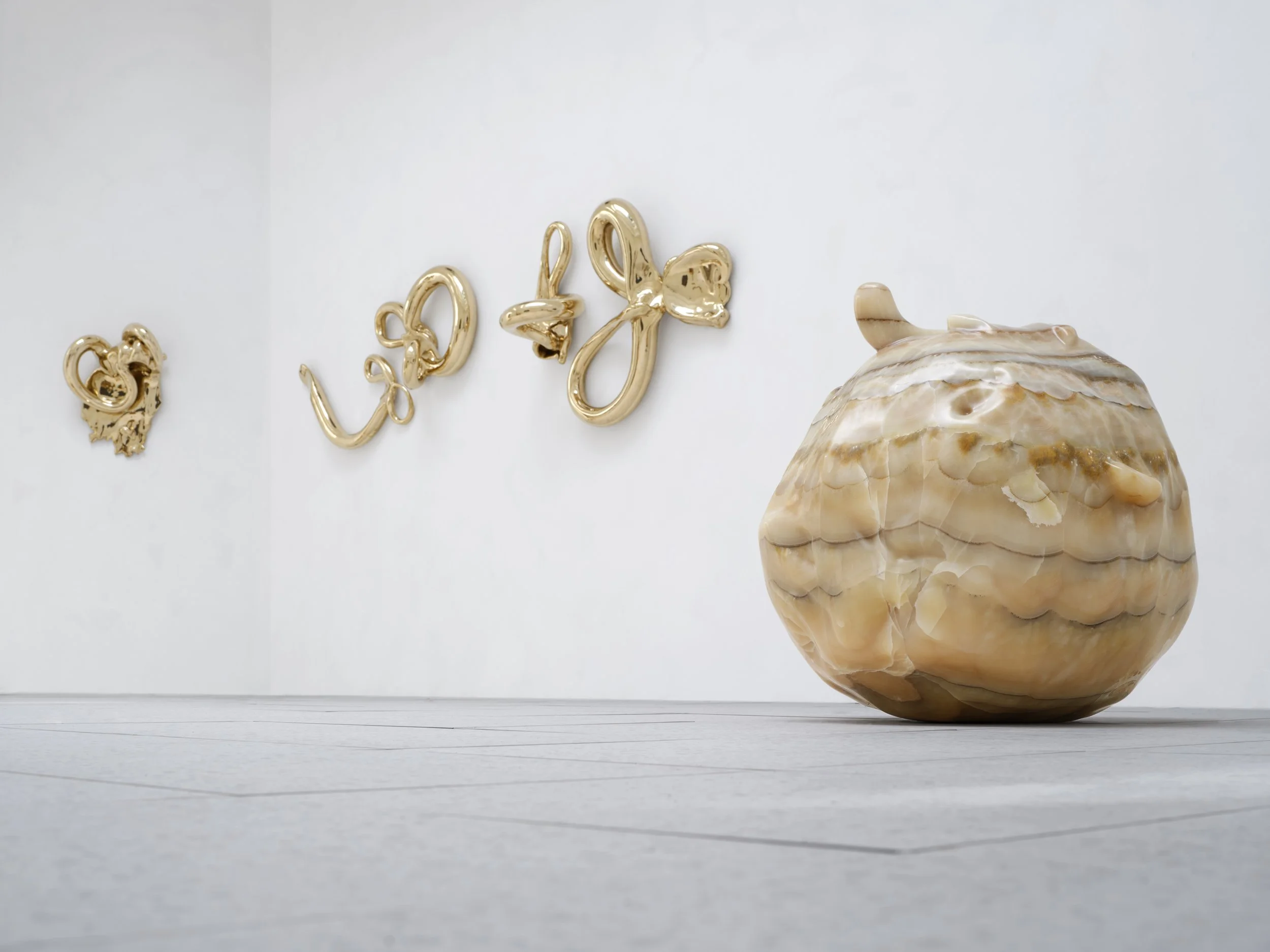
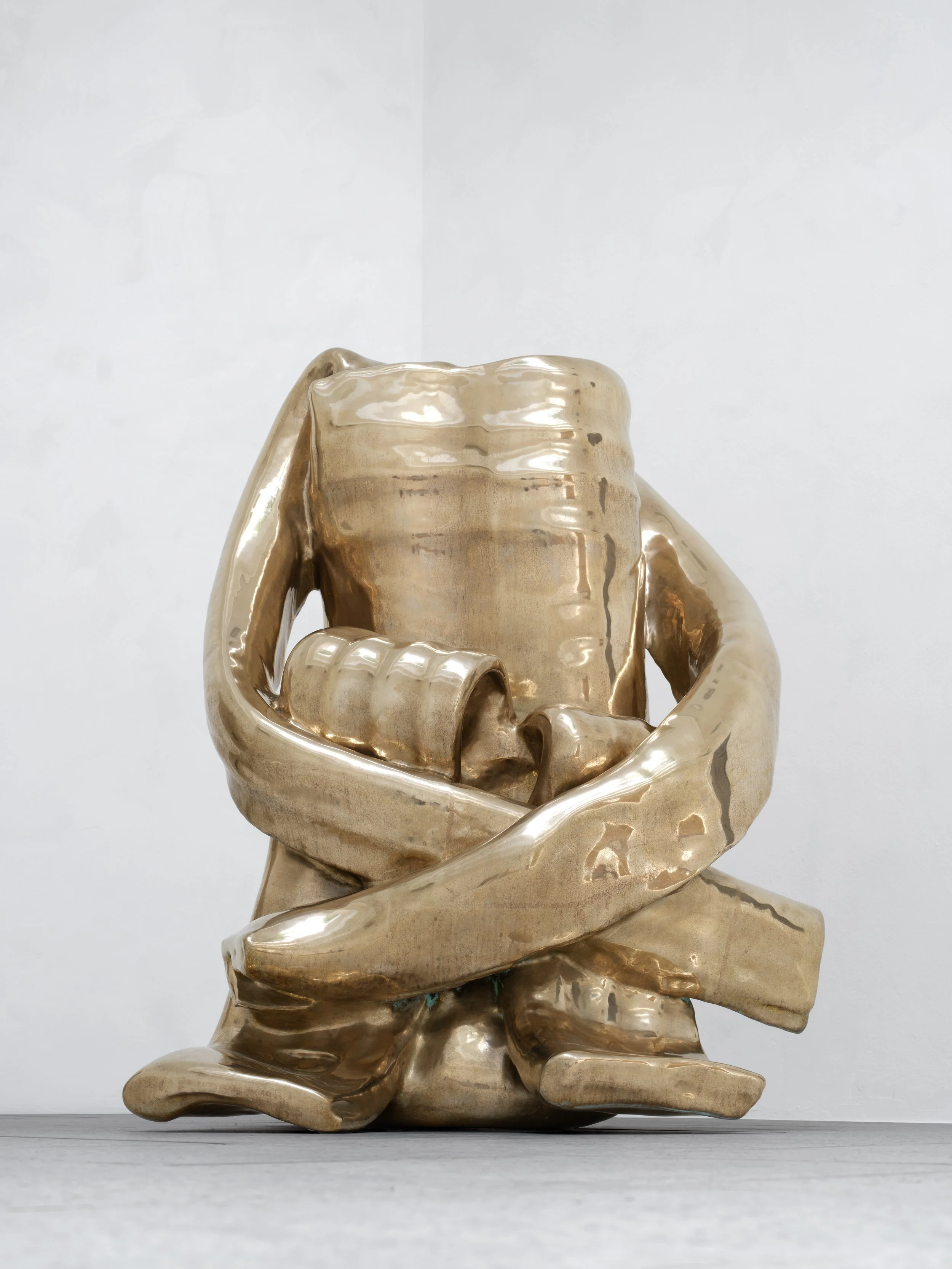
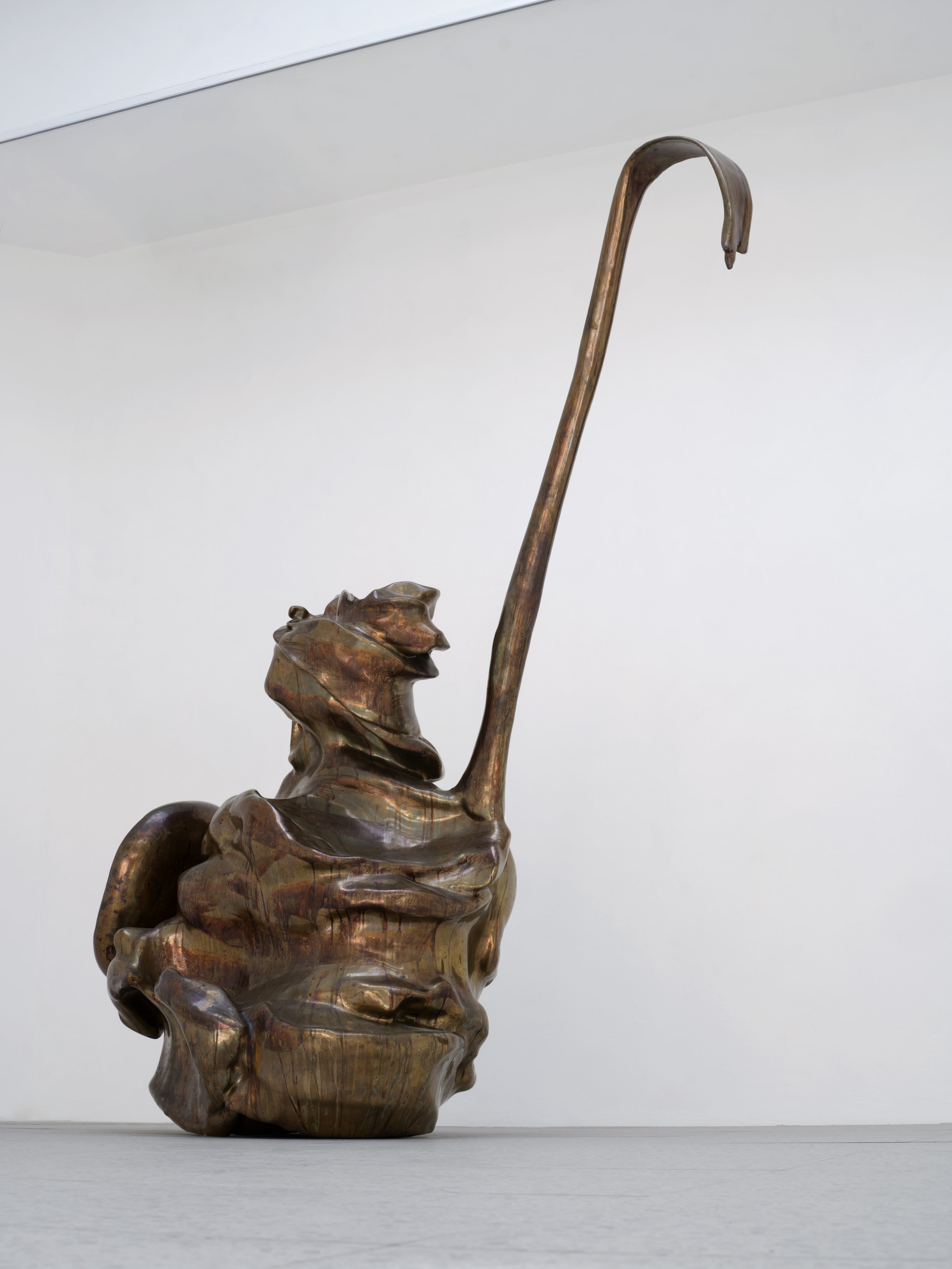
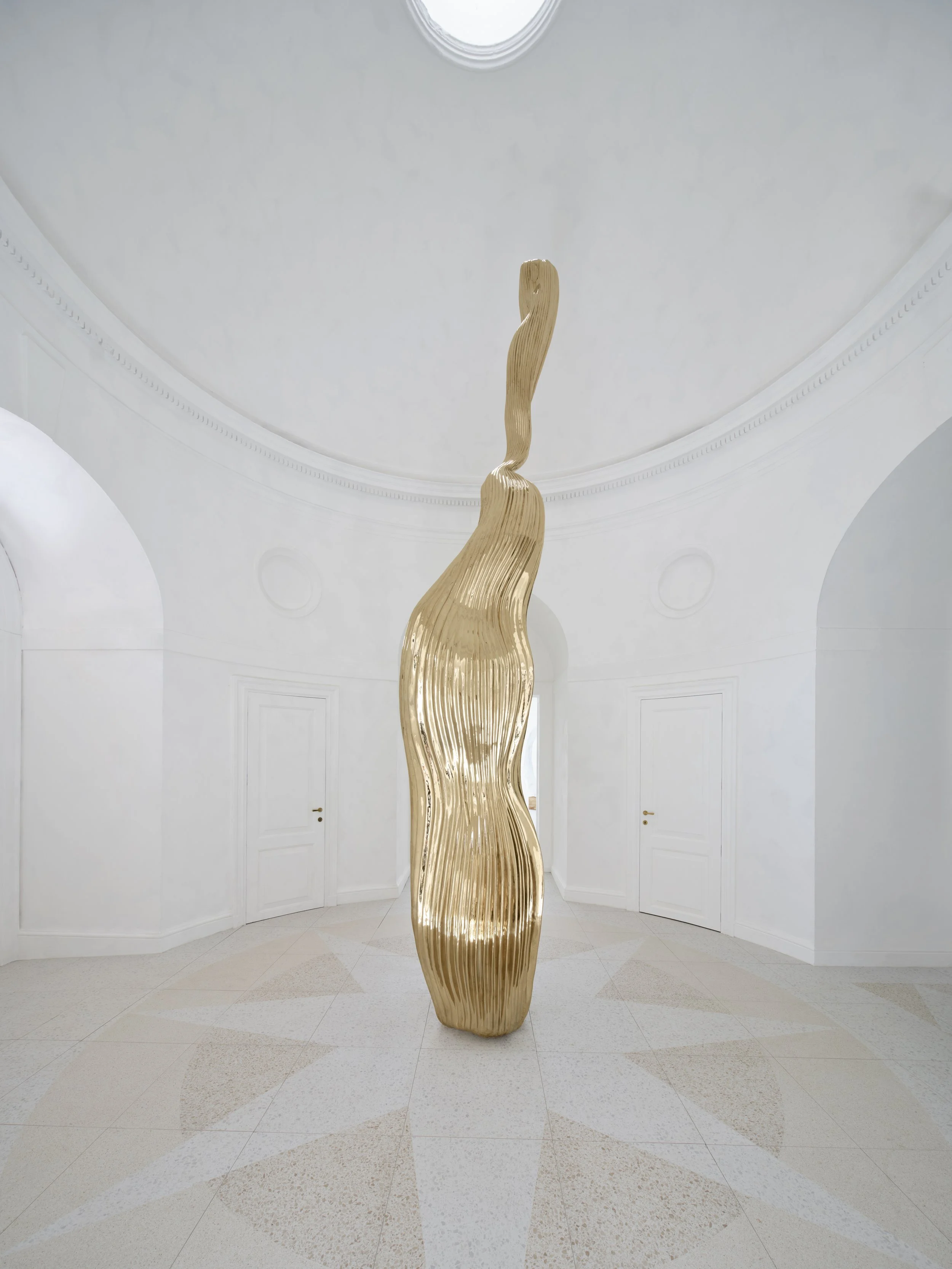
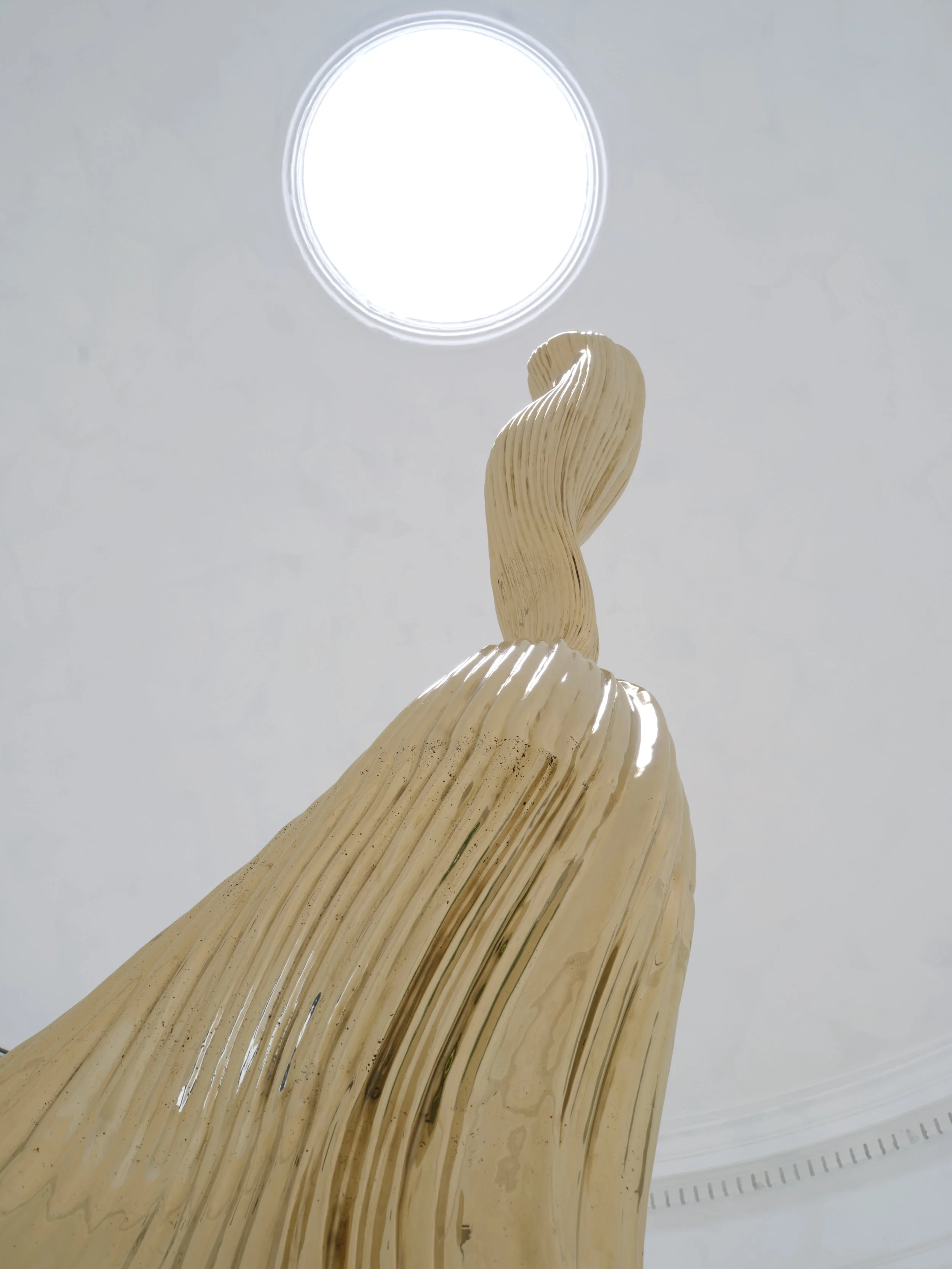
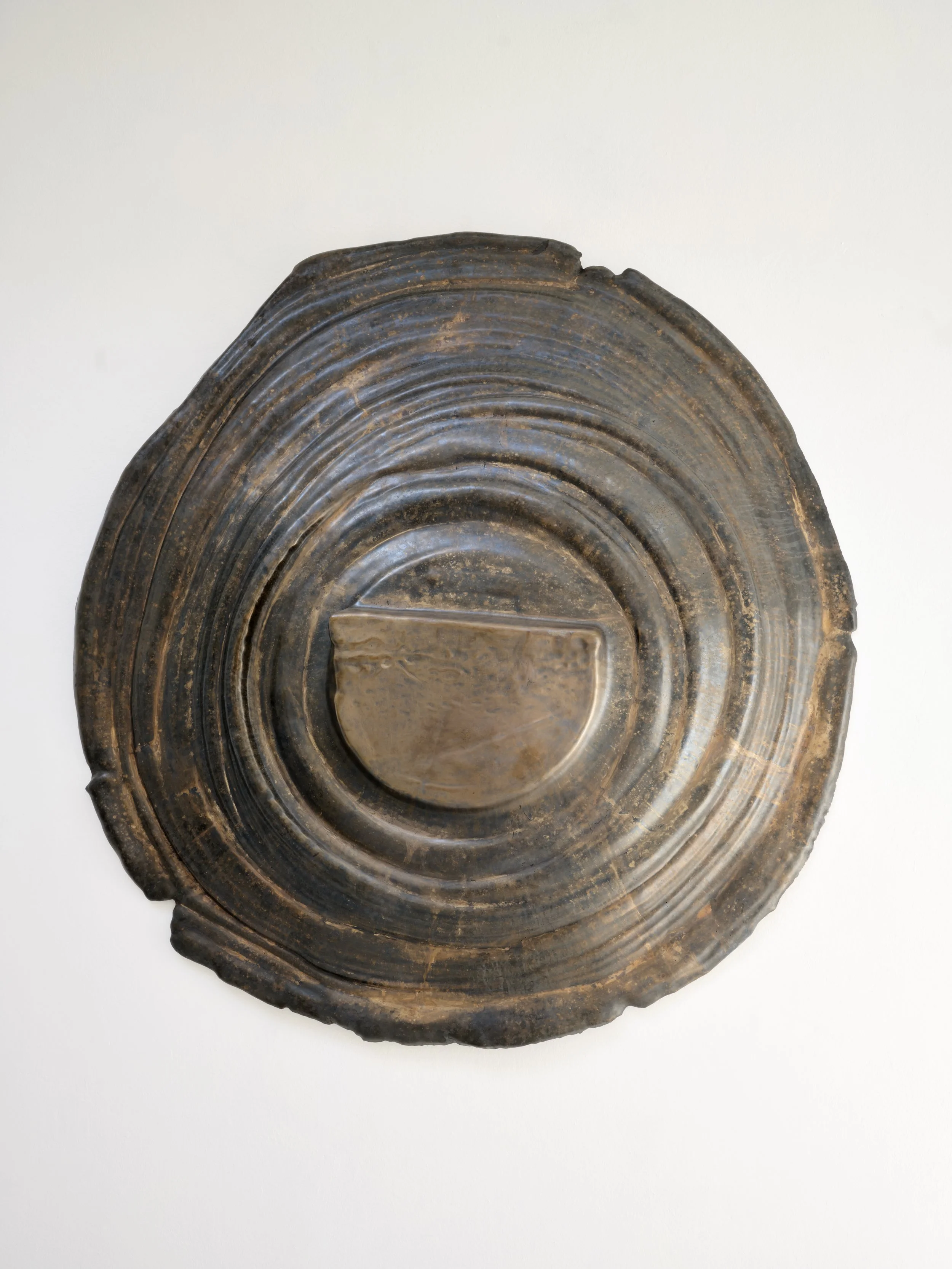
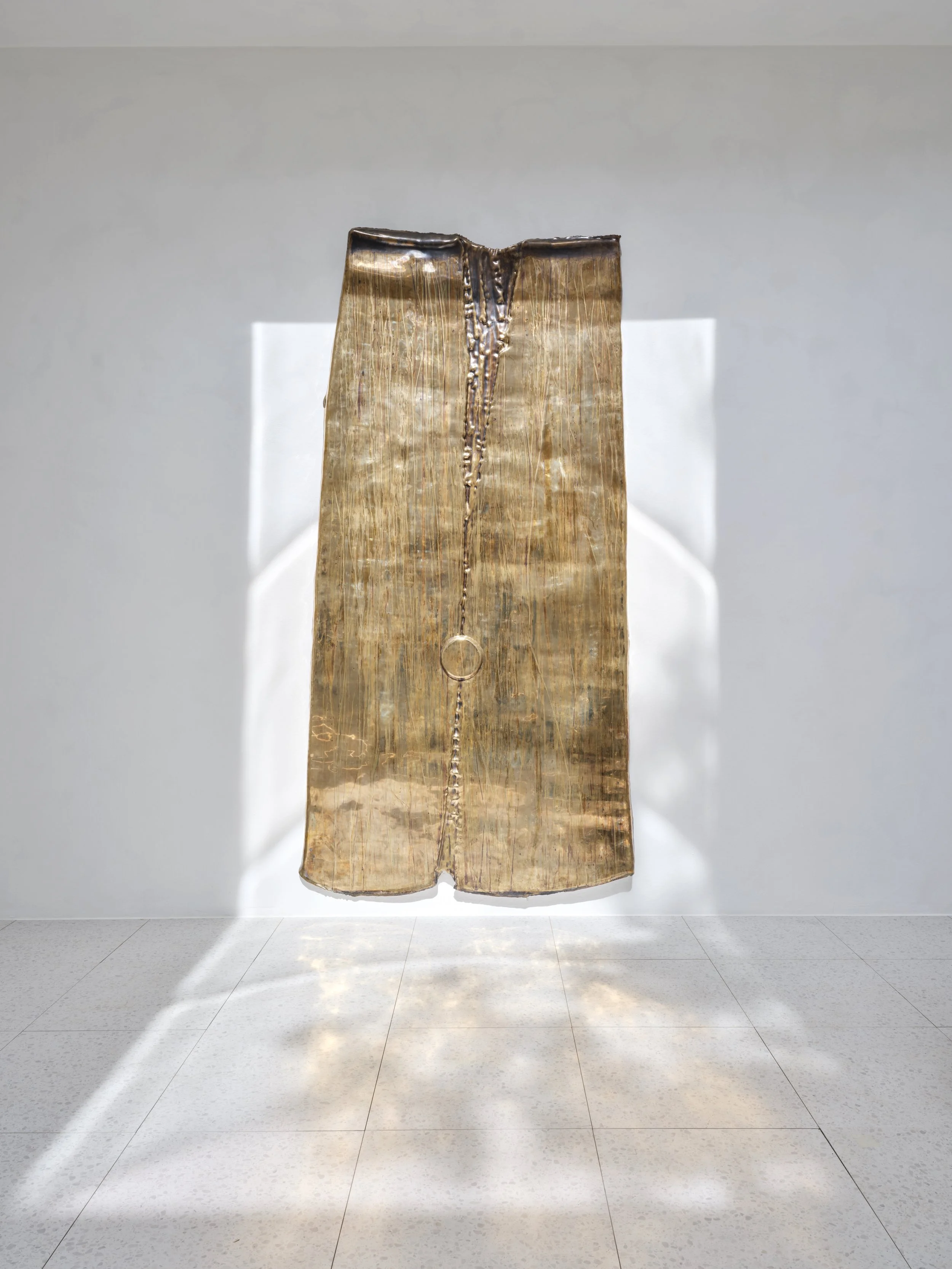
The American Arts Conservancy, is pleased to announce that Alma Allen will represent the United States at the 61st International Art Exhibition of La Biennale di Venezia in 2026. Over the past three decades, Allen has created abstract biomorphic sculptures inspired by the expansive landscapes and natural geological formations of the Americas, using natural materials sourced from these lands. His exhibition, Alma Allen: Call Me the Breeze, on view May 9–November 22, 2026, at the United States Pavilion in Venice, Italy, will present artworks that highlight Allen’s alchemical transformation of matter and explore the concept of “elevation,” both as a physical manifestation of form and as a symbol of collective optimism and self-realization. The artist will create several new site-responsive sculptures, including one for the Pavilion’s outdoor forecourt.
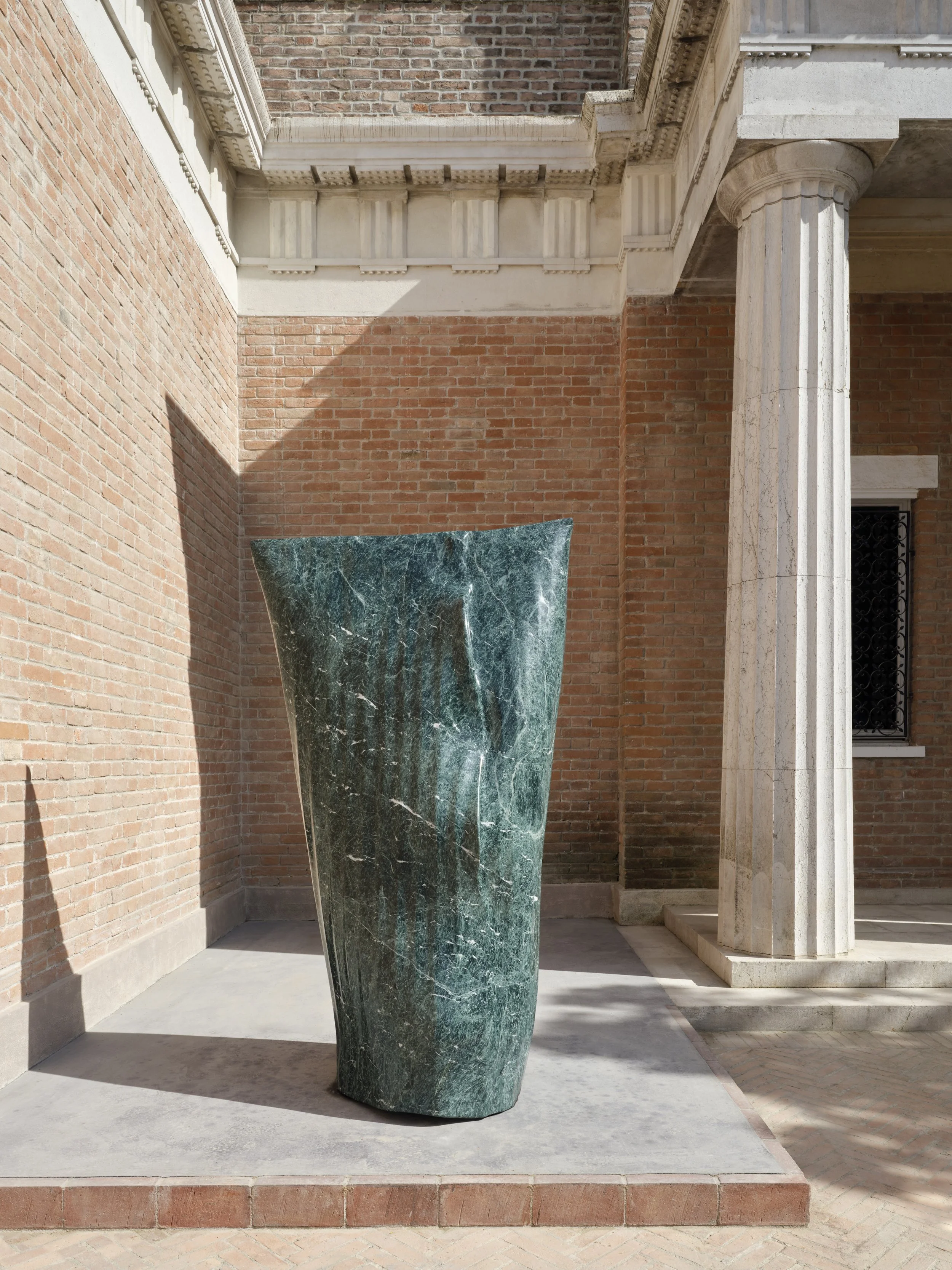
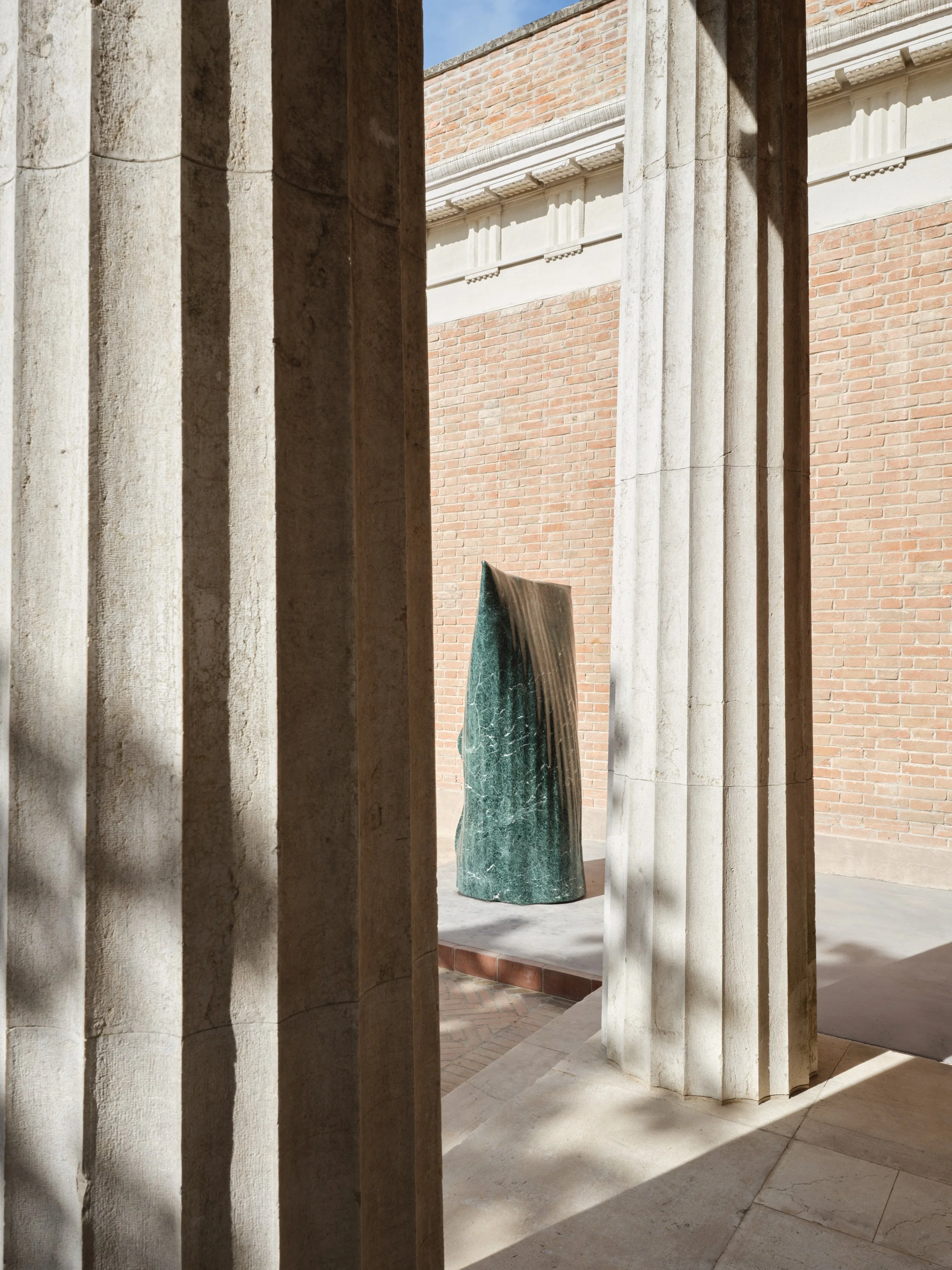
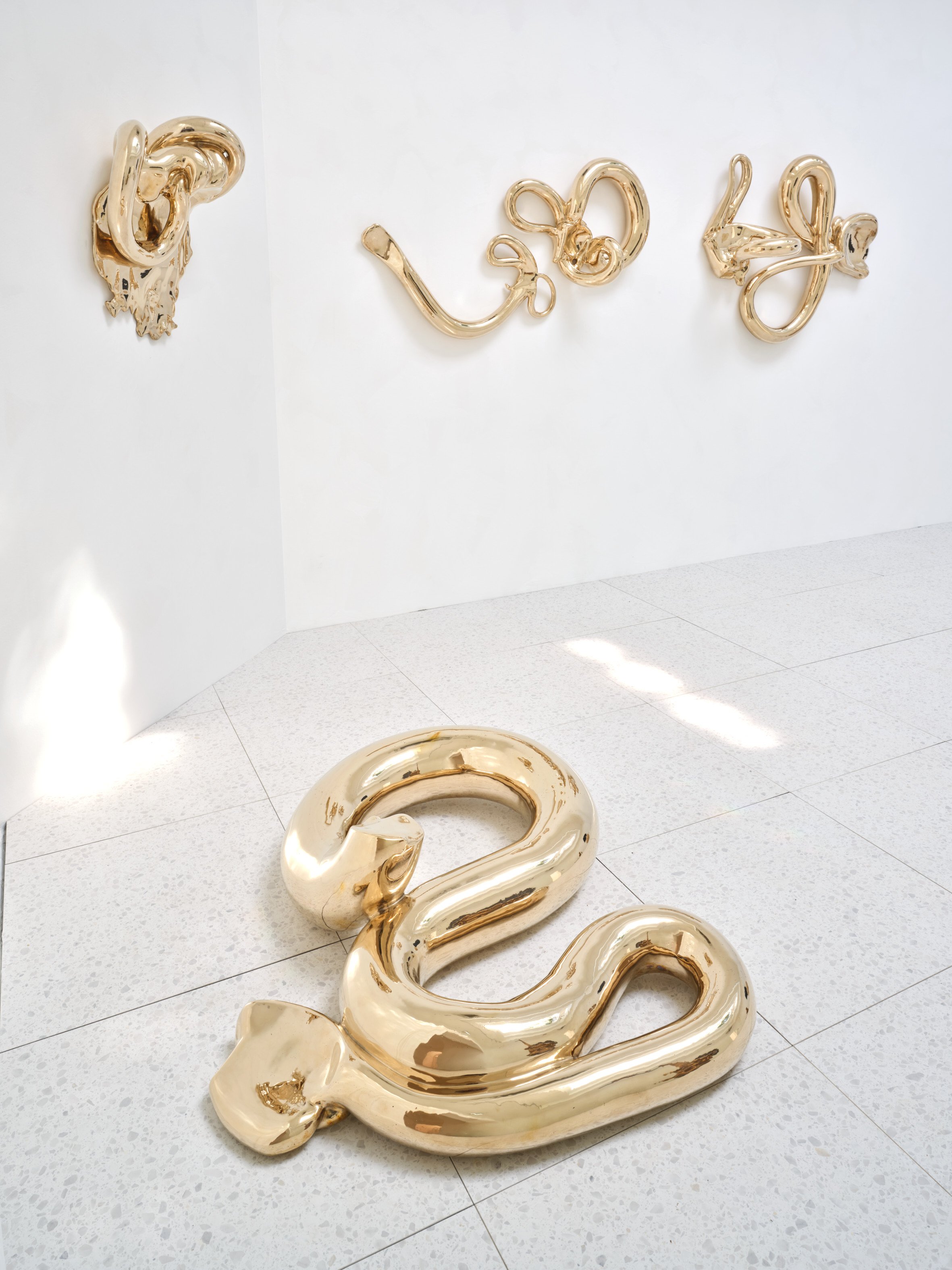
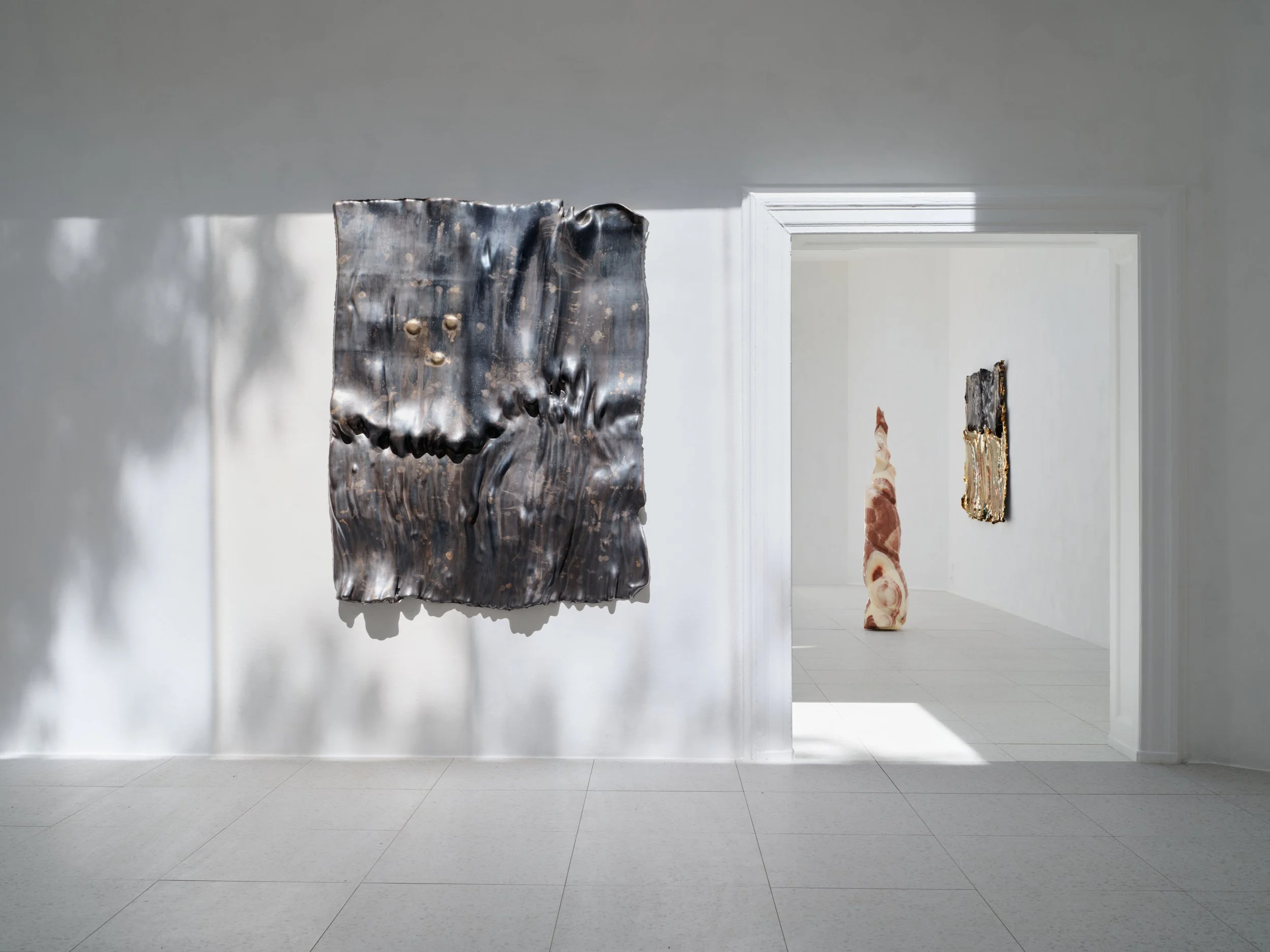
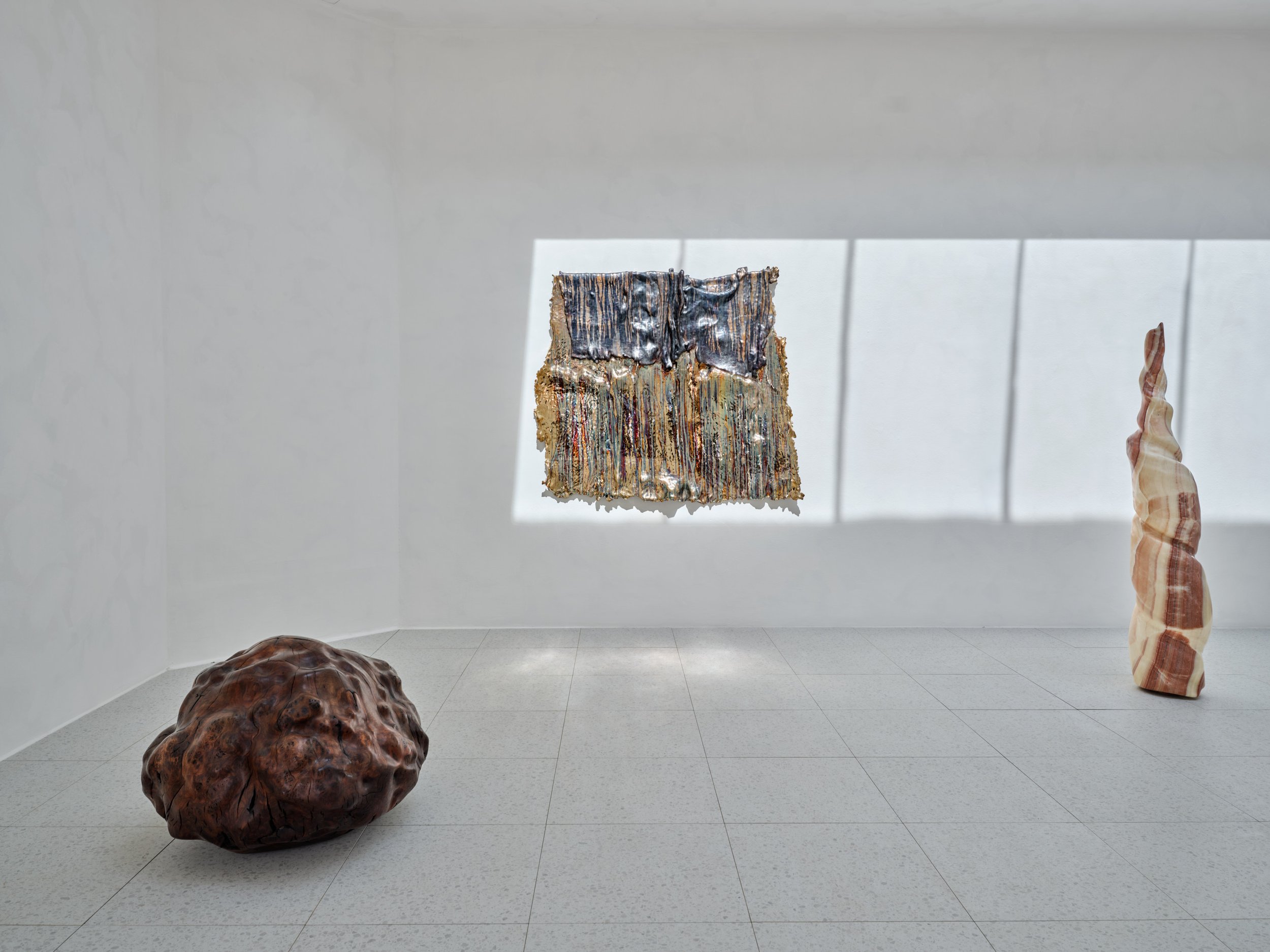
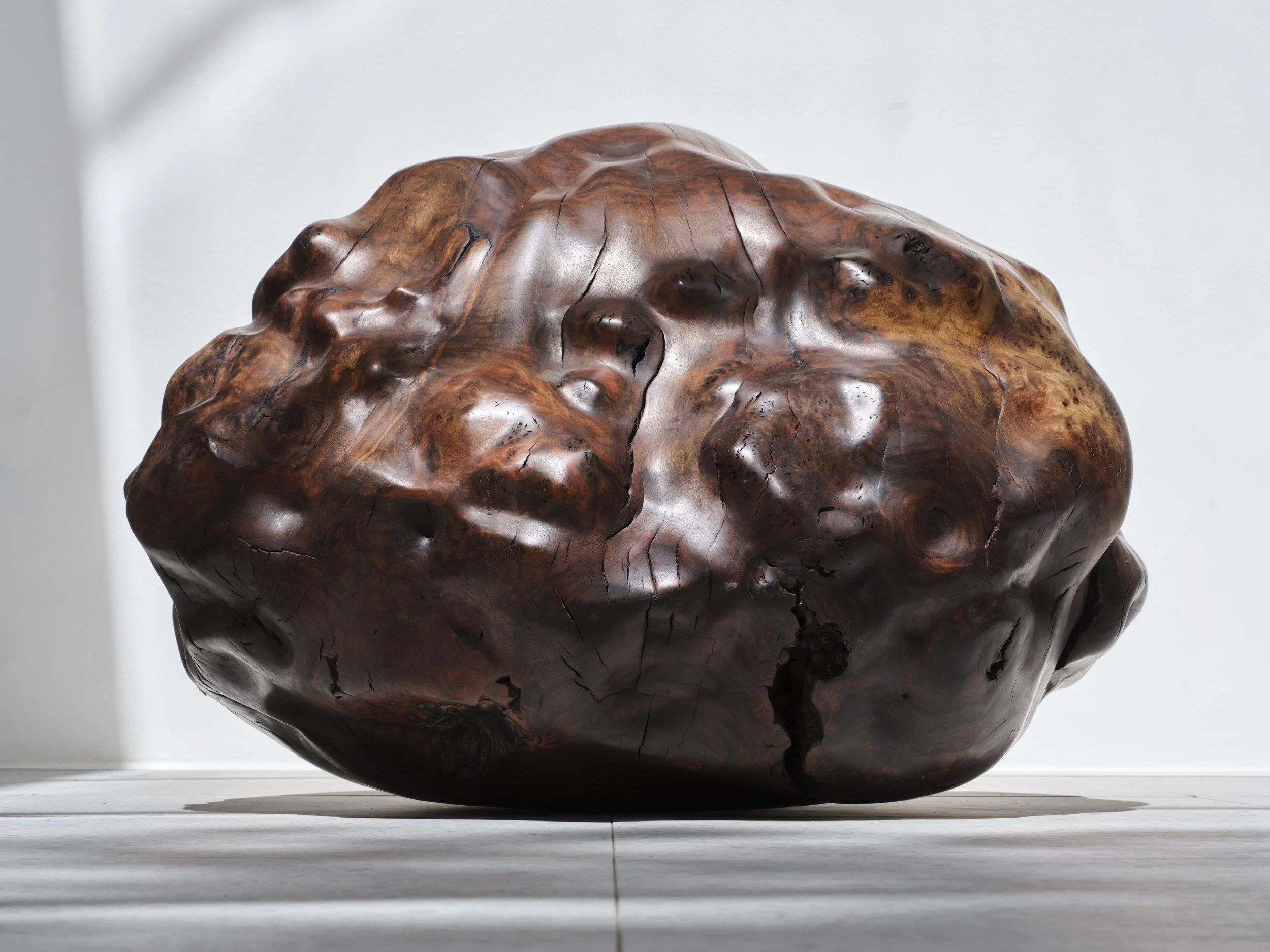
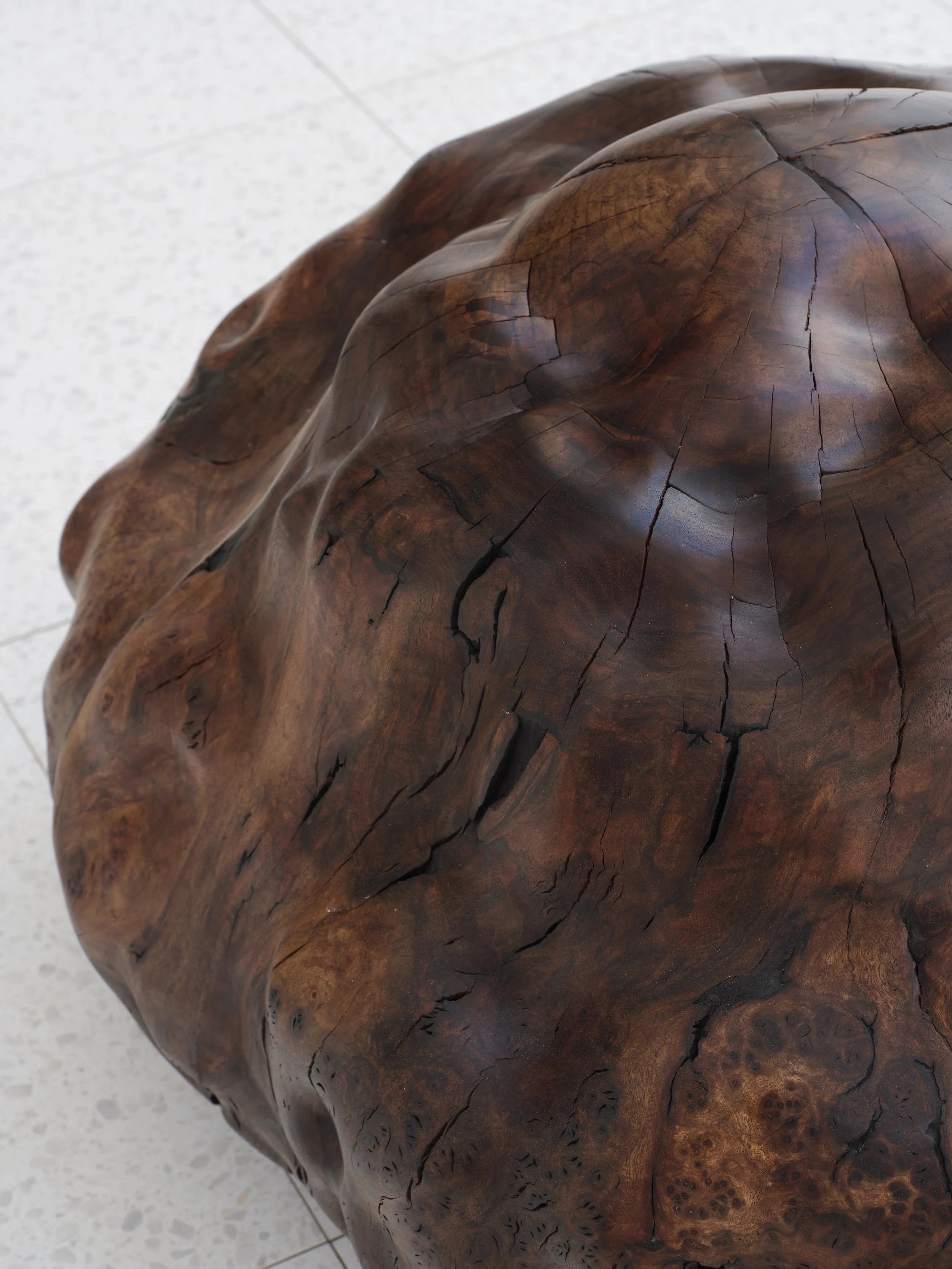
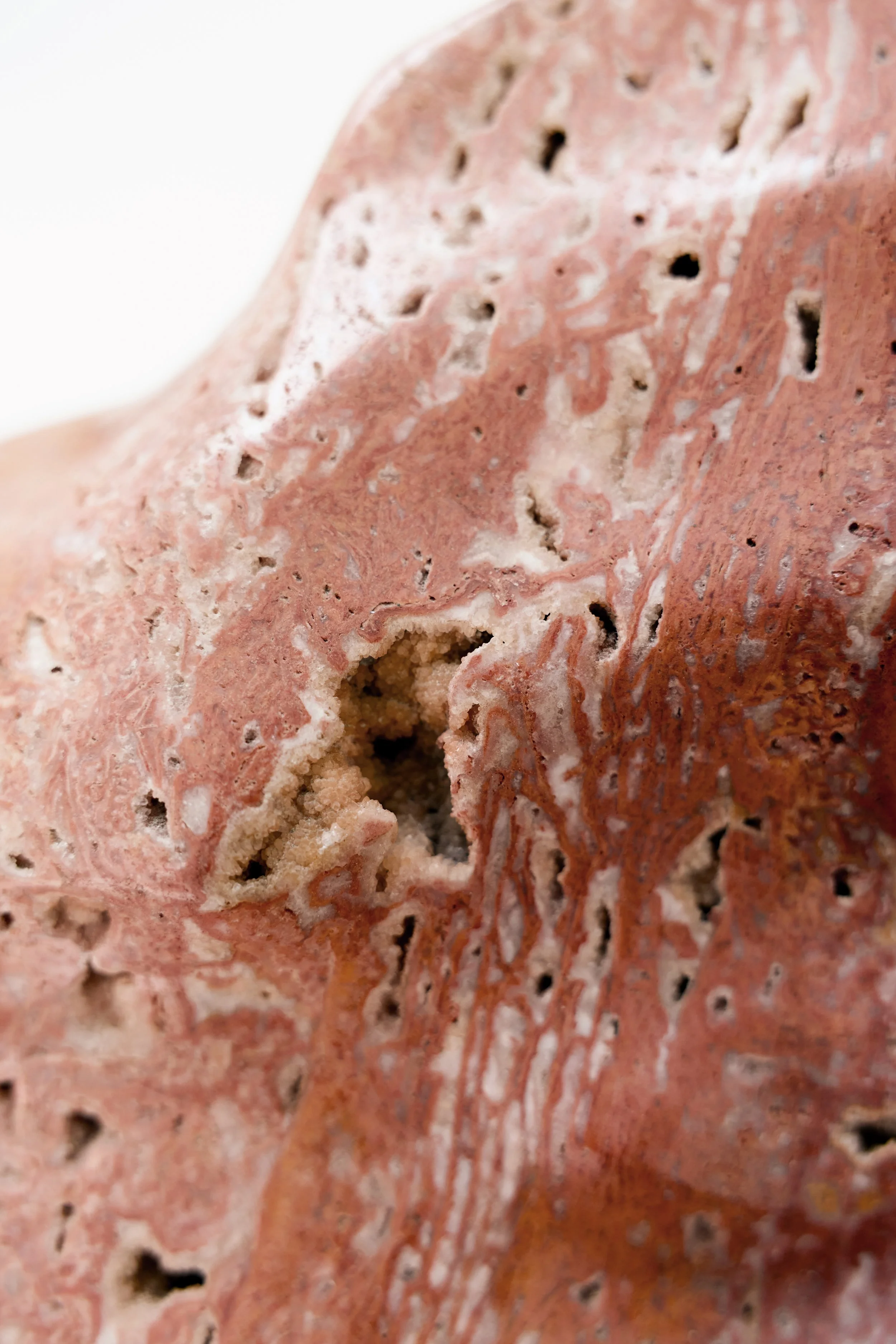
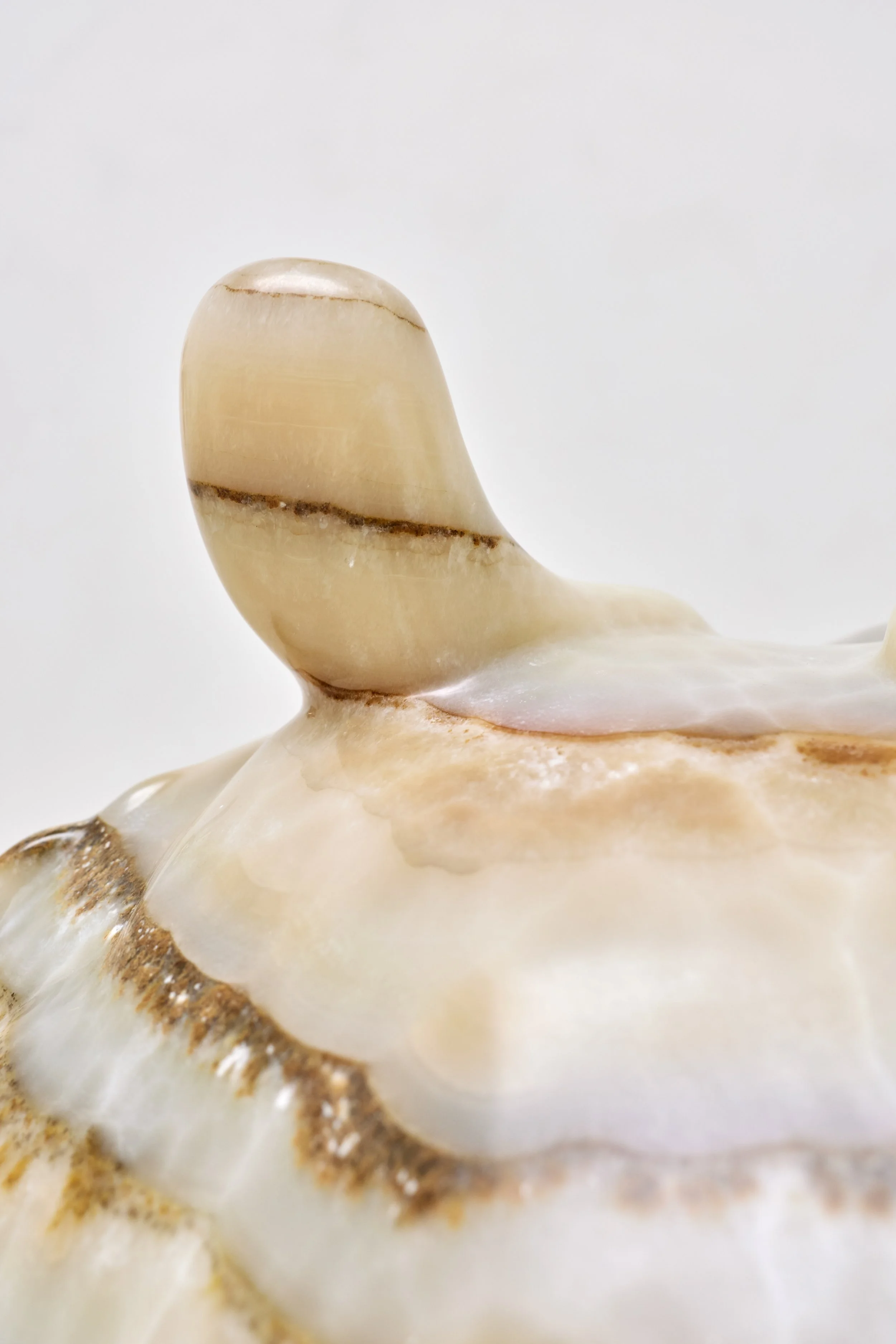
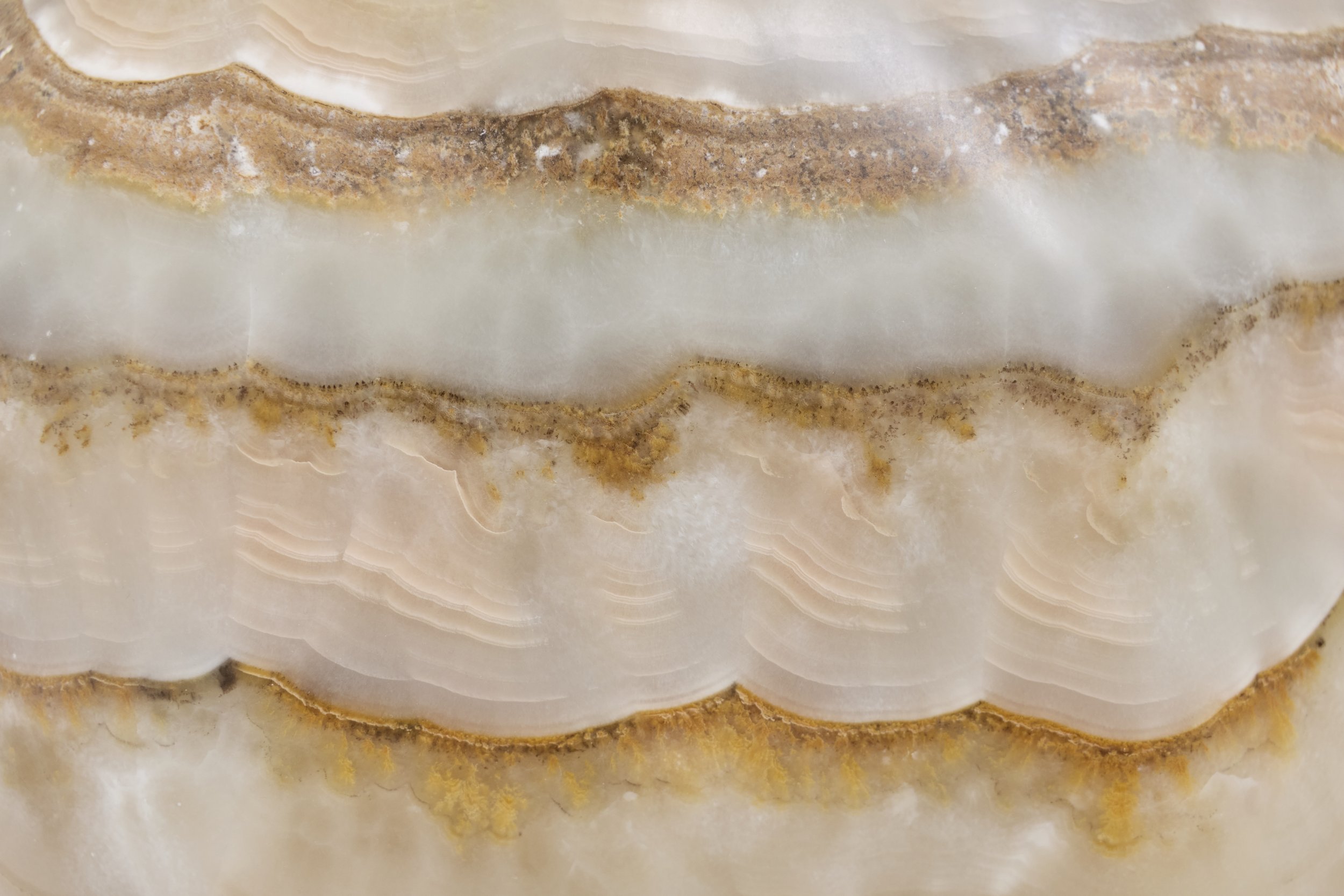
To make his work, Allen developed a hybrid process that combines preindustrial methods of carving and hand-shaping with advanced technology, such as robotic sculpting. With a commitment to material authenticity, he works in materials local to the Americas, including American walnut burl; Cantera verde volcanic rock; and white Colorado Yule marble, a luminous stone used to construct several of our nation’s historic monuments, including the Lincoln Memorial in Washington, DC, and the Tomb of the Unknown Soldier at Arlington National Cemetery. Natural materials carry historical and cultural imports; Yule marble, for example, signifies historical gravity and transcendence and can be used to foster understanding and to open a metaphorical pathway for the future.
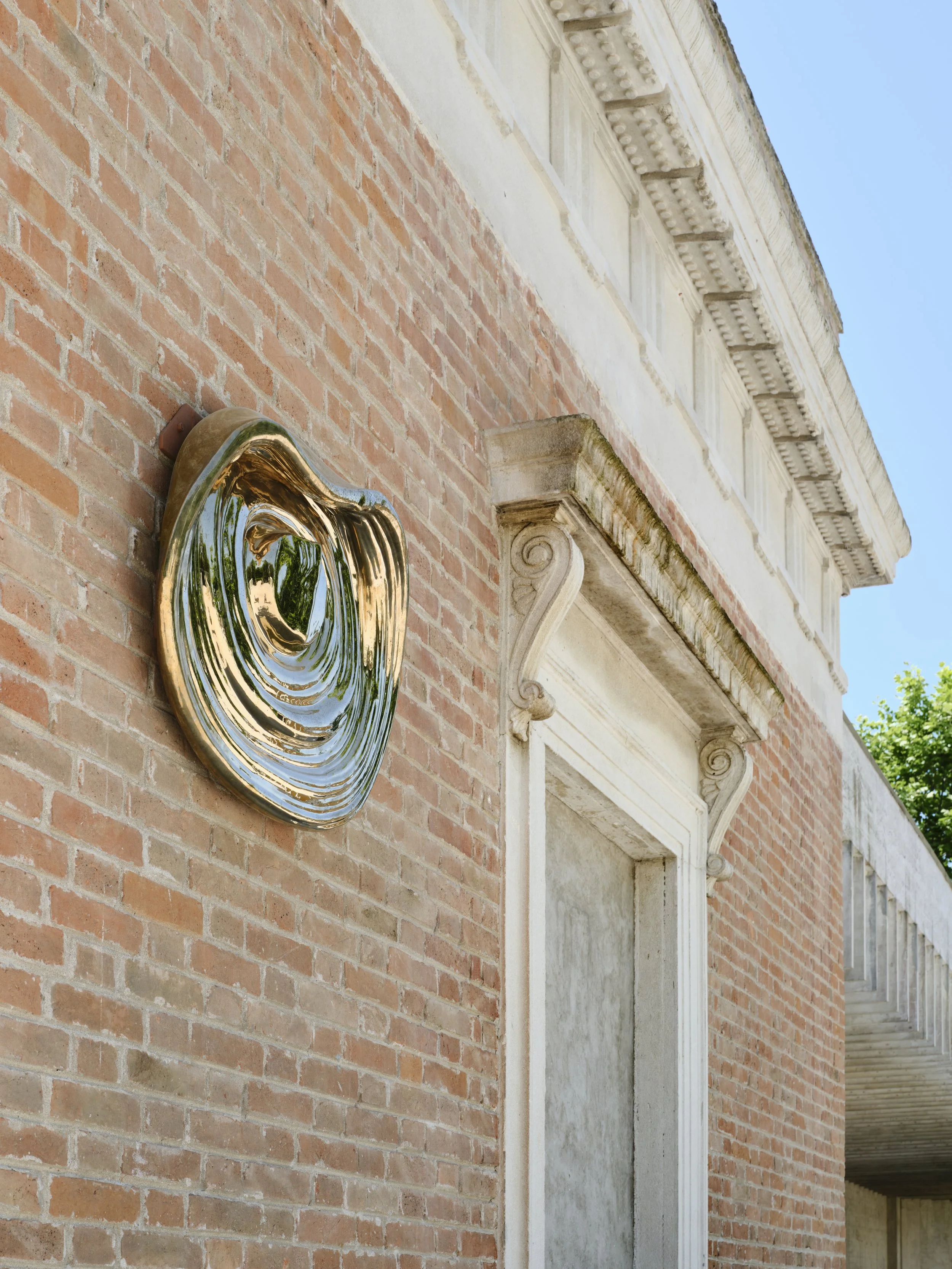
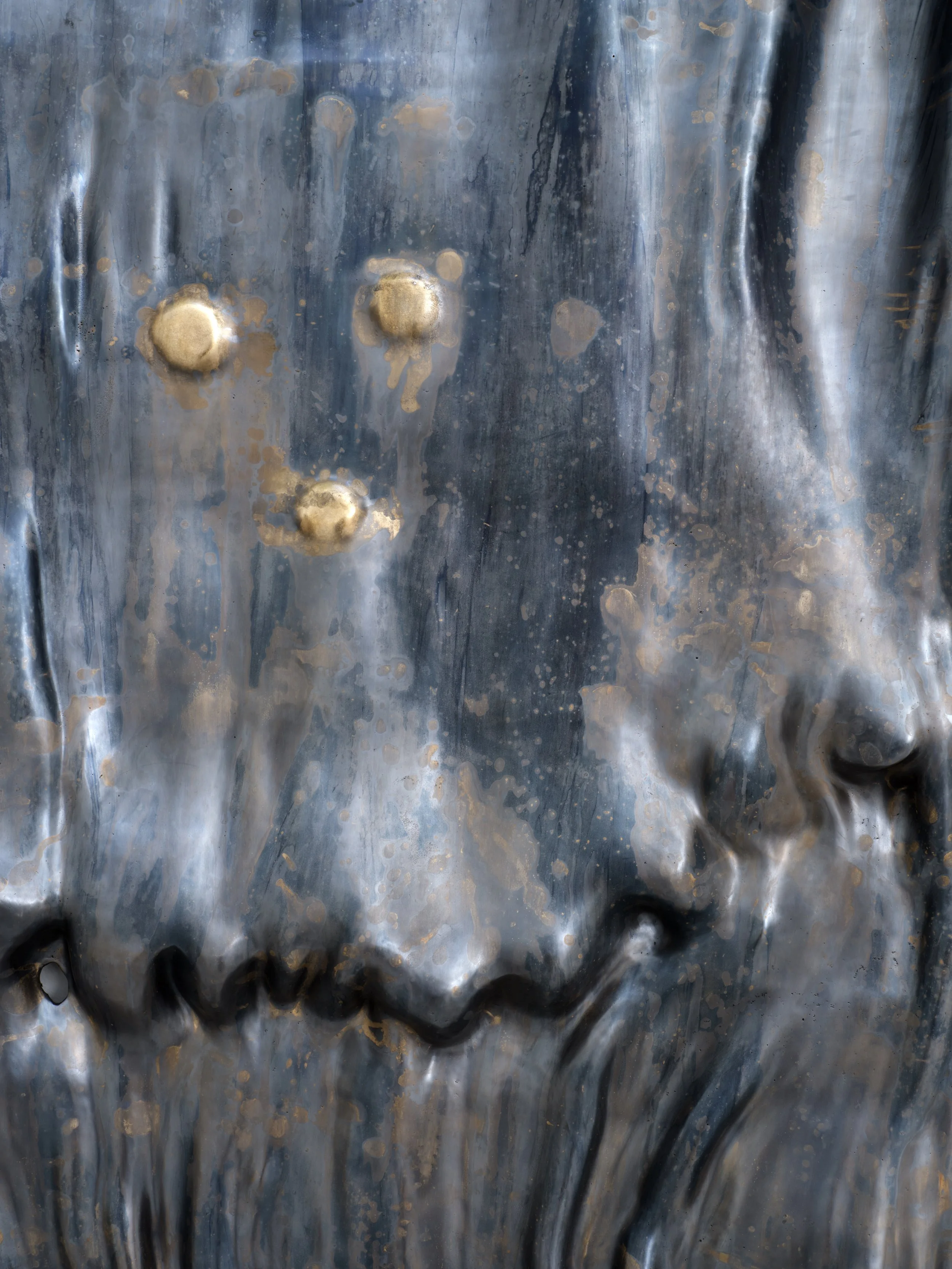
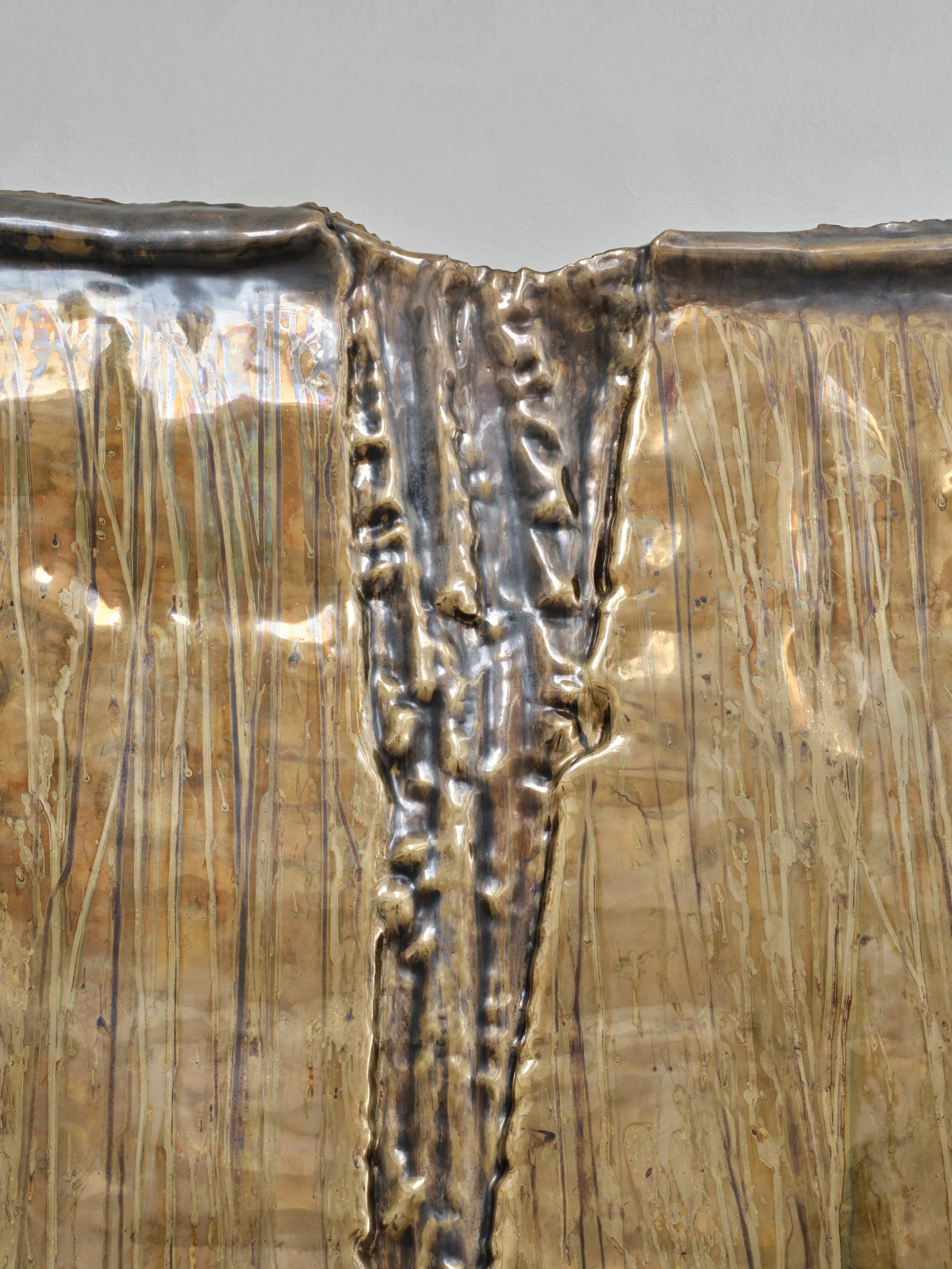
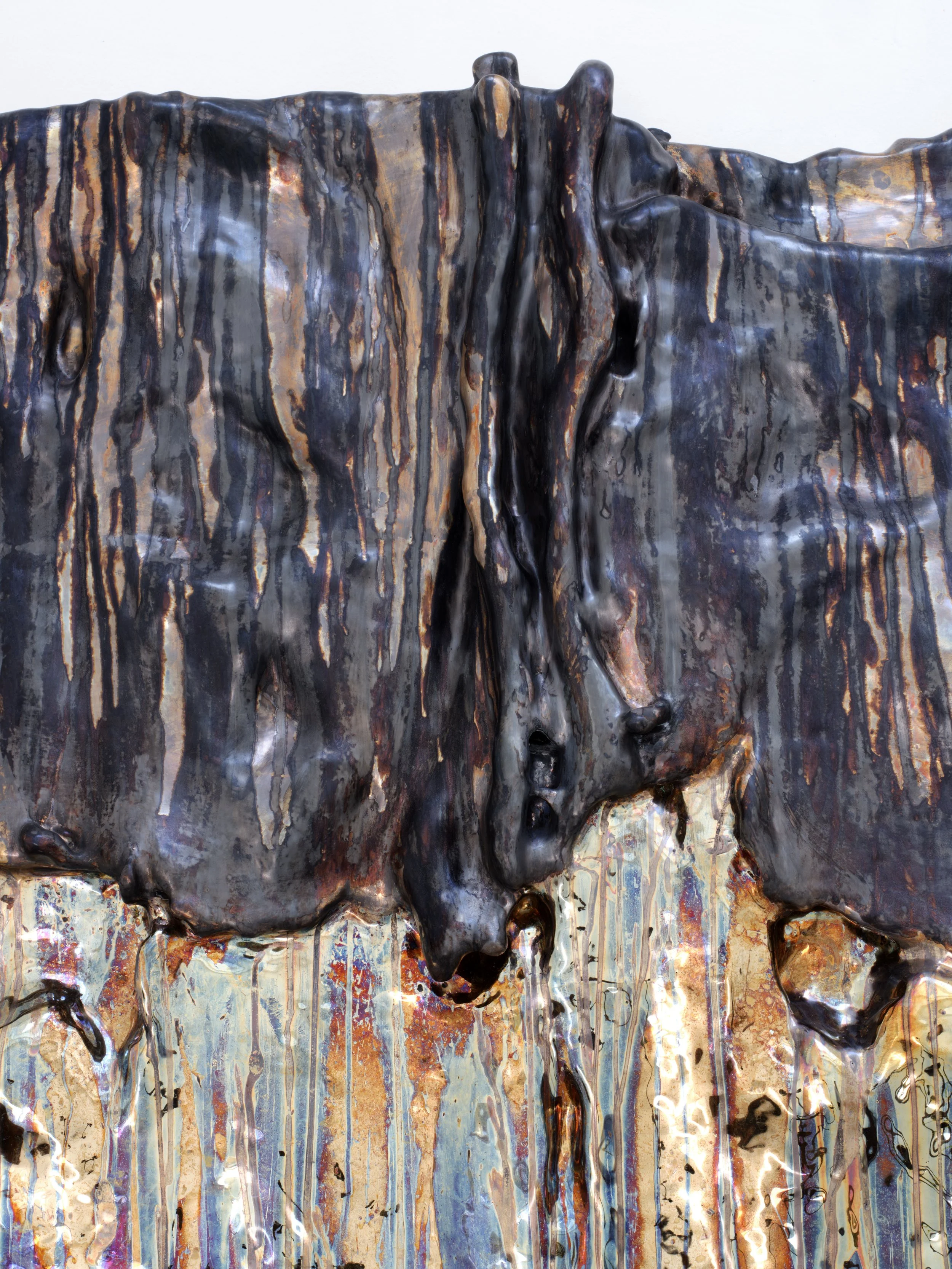
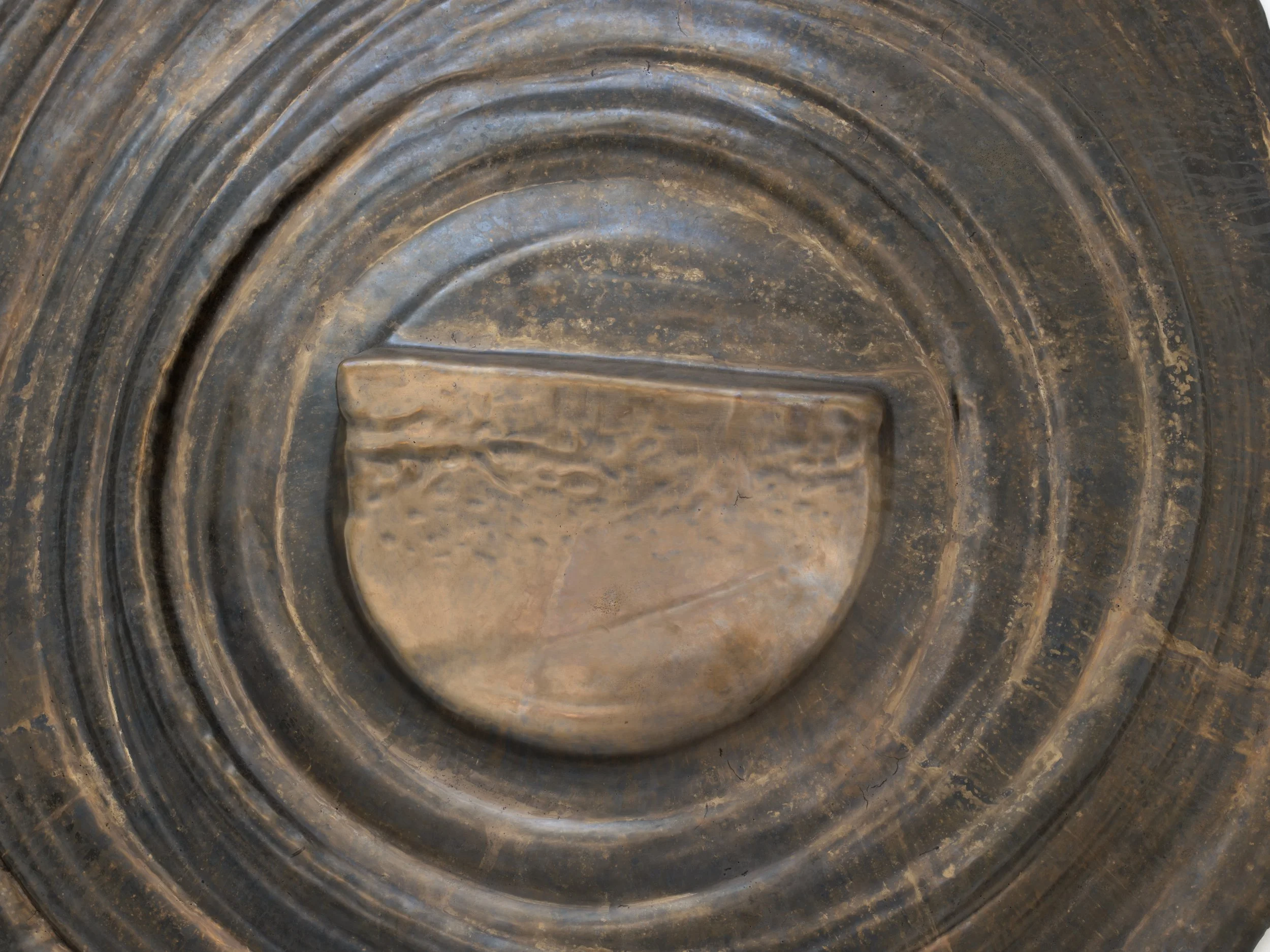
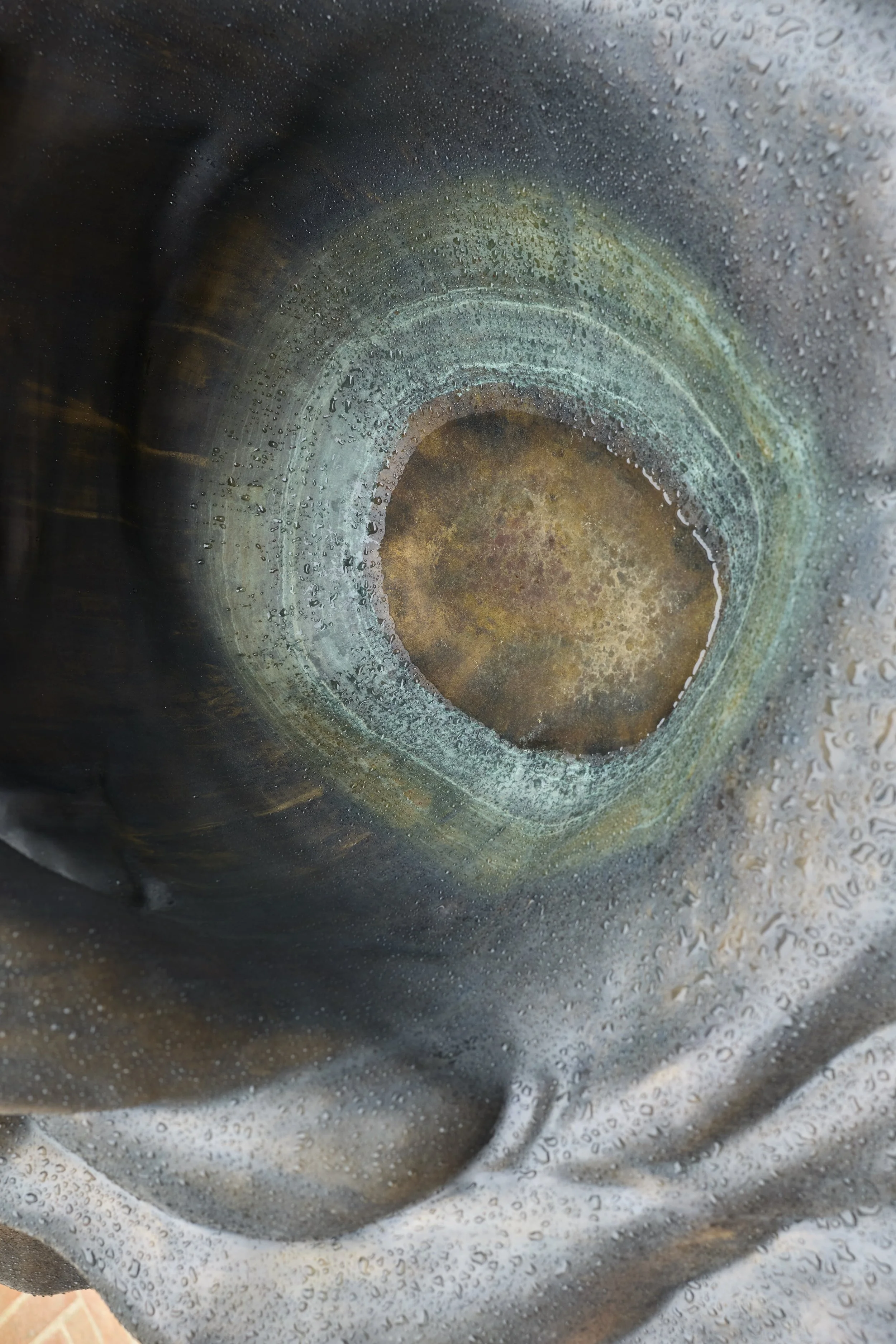
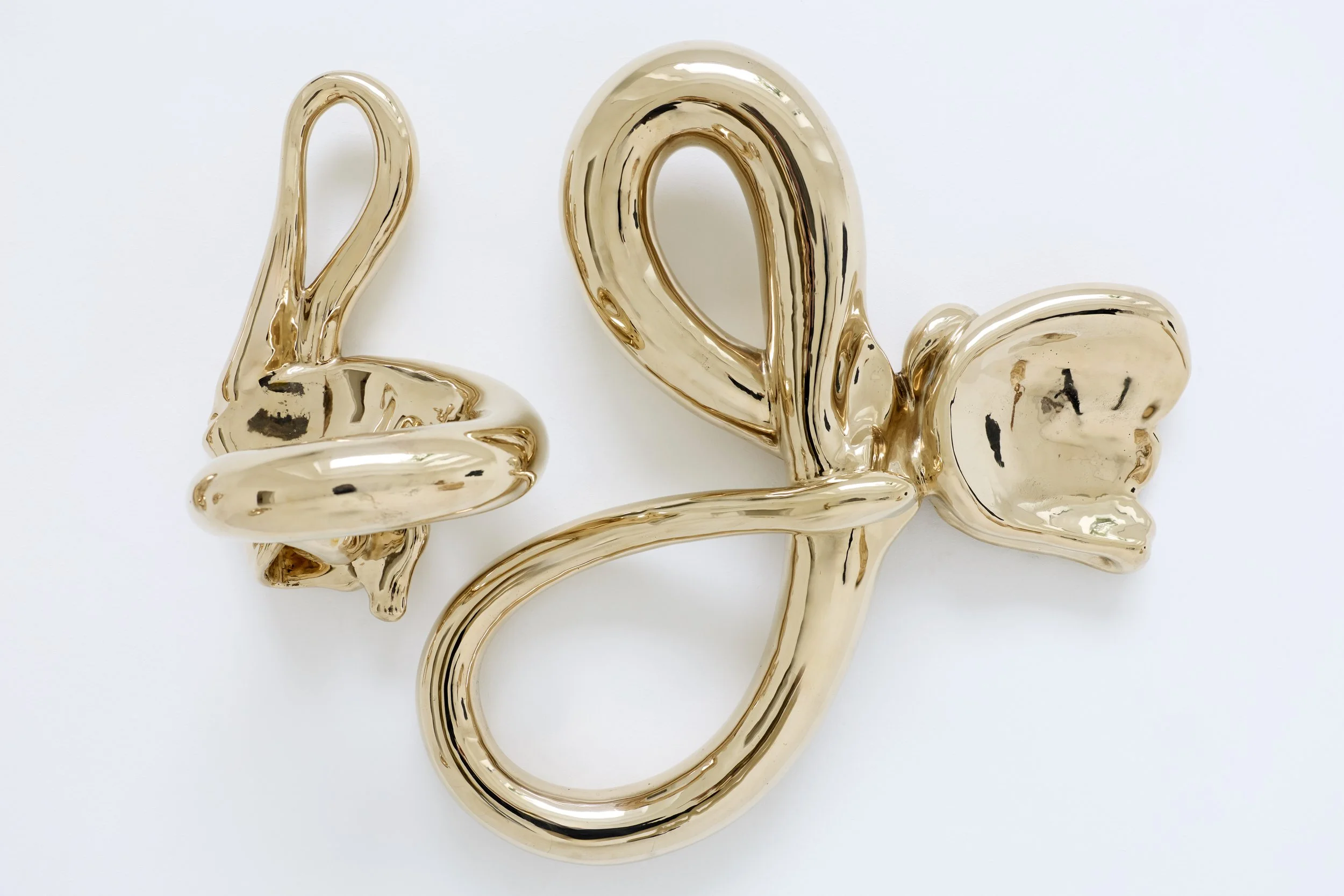
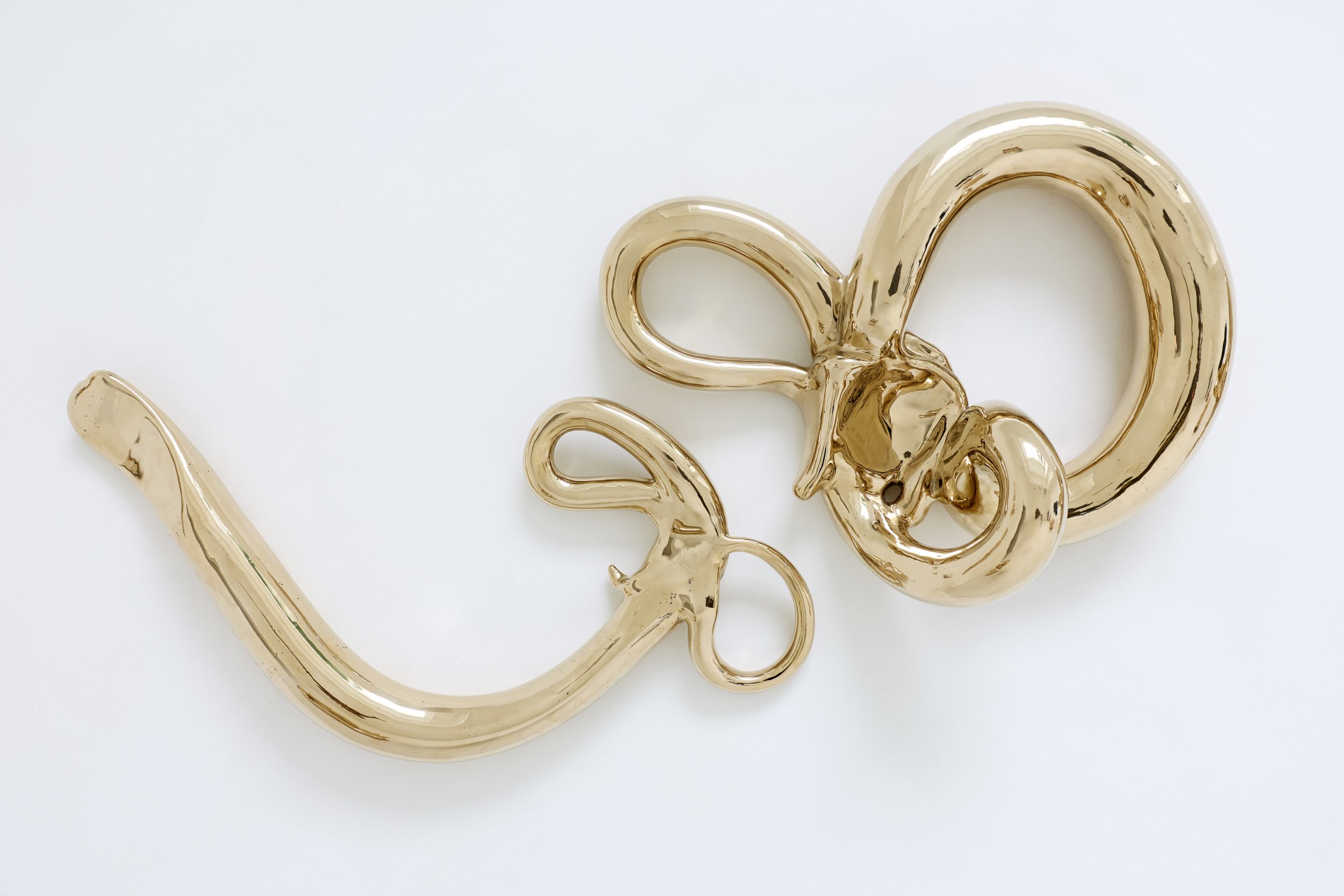
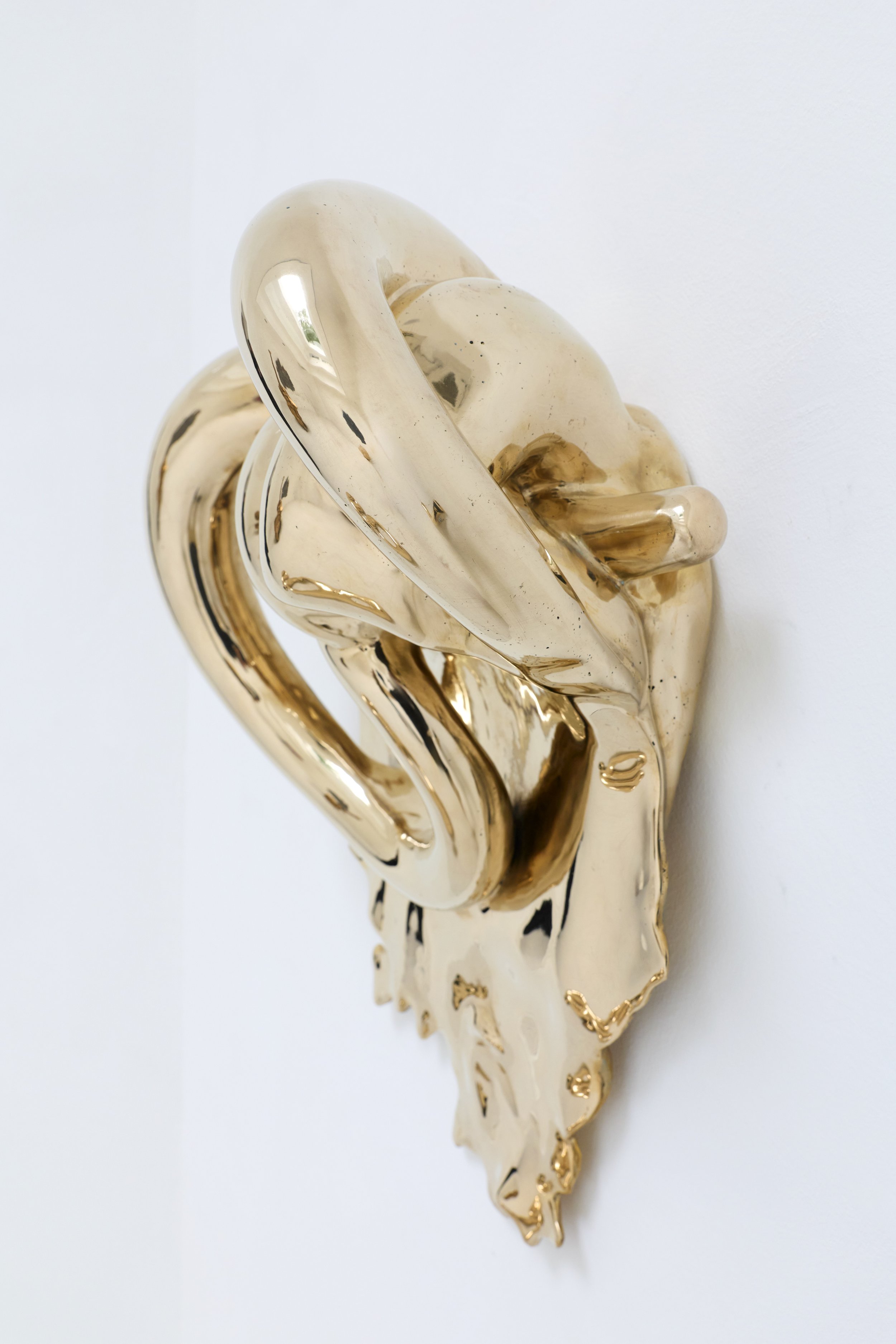
With these natural, earthbound materials as a starting point, Allen has built a body of sculptures that seem to transform the nature of matter. In Alma Allen: Call Me the Breeze, viewers will encounter works in which the strata of rough rock appear to have been smoothed through the passage of time, and solid bronze appears liquid. For Allen, “The sculptures are often in the act of doing something: They are going away, or leaving, or interacting with something invisible. Even though they seem static as objects, they are not static in my mind. In my mind, they are part of a much larger universe.”
The U.S. Pavilion at the 61st International Art Exhibition of La Biennale di Venezia will coincide with “America250,” the United States Semiquincentennial celebrating the 250th anniversary of the signing of the Declaration of Independence. The 2026 U.S. Pavilion is organized by Commissioner Jenni Parido, founder of the American Arts Conservancy and U.S. curator Jeffrey Uslip.
“Alma Allen’s signature sculptural vocabulary brings the art historical legacies of biomorphism into our present; Allen’s work functions as sculptural ciphers: each sculpture, decisively Not Yet Titled, is in a conceptual state of becoming” said Uslip. “Alma Allen has spent the last thirty years creating forms that are sculpturally captivating and materially grounded in the landscape of the Americas. As the exhibition’s title, Call Me the Breeze, suggests, Allen’s sculptures embrace a weightlessness and freedom of thought.”
Our Supporters
Alma Allen: Call Me the Breeze is made possible through the support of the U.S. Department of State’s Bureau of Educational and Cultural Affairs (ECA), Peggy Guggenheim Foundation, and The American Arts Conservancy
The Leandro P Rizzuto Foundation
The Honorable John C Phelan and Amy Phelan
The Kathleen and Andrew McKenna Family Foundation
Nancy C. & Richard R. Rogers
Charles Wickser Banta
The Honorable David Fischer and Jennifer Fischer
Dee & Tommy Hilfiger
Gene and Jerry Jones Family
Virginia A Beckett
Marilyn J. Scripps
Skye and Rufus Hankey
John A. Mocker, Jr.
Ryan P. Coyne
The Bardonaro Family Foundation
Janet Steinger
Harbor Fund
Sherie Marek
Akash Shah
Established in 1895, the International Art Exhibition of La Biennale di Venezia is considered the most prestigious contemporary art exhibition in the world, introducing hundreds of thousands of visitors to exciting new art every two years. The 61st International Art Exhibition of La Biennale di Venezia (May 9–November 22, 2026) is conceptualized by the late Koyo Kouoh.
LA BIENNALE DI VENEZIA
THE UNITED STATES PAVILION
The United States Pavilion, a building in the neoclassical style in the Giardini della Biennale, Venice, opened on May 4, 1930. Since 1986, the U.S. Pavilion has been owned by the Solomon R. Guggenheim Foundation and managed by the Peggy Guggenheim Collection in Venice, which works closely with the U.S. Department of State and exhibition curators to install and maintain all official U.S. exhibitions presented in the Pavilion. Every two years, museum curators from across the country detail their visions for the U.S. Pavilion in proposals that are reviewed by the National Endowment for the Arts’s Federal Advisory Committee on International Exhibitions (FACIE), a group comprising curators, museum directors, and artists, who then submit their recommendations to the U.S. Department of State’s Bureau of Educational and Cultural Affairs.
Past exhibitions can be viewed on the Peggy Guggenheim Collection’s website at here.
The U.S. Department of State’s Bureau of Educational and Cultural Affairs (ECA) supports and manages official U.S. participation at the International Art and Architecture Exhibitions of La Biennale di Venezia. ECA designs and implements educational, professional, and cultural exchange and other programs that create and sustain the relationships with other countries necessary to advancing United States foreign policy goals. These exchange programs improve foreign relations and strengthen the national security of the United States, support U.S. international leadership, and provide a broad range of domestic benefits.
For more information, please visit: eca.state.gov